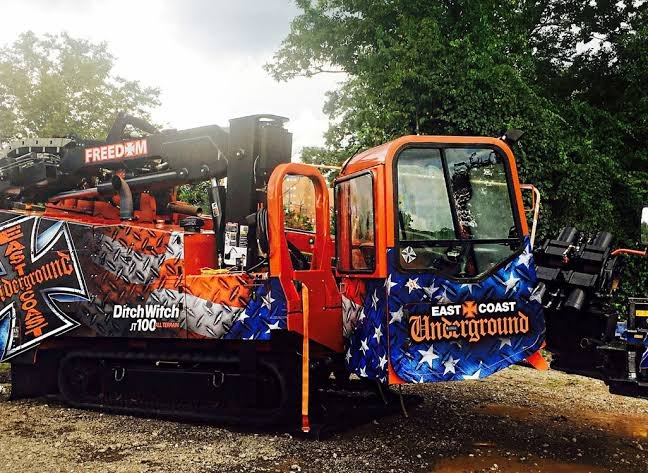
A business vehicle can be much more than a way to get from one job to another. It can be a first impression, a reminder of a company’s name, and sometimes the only advertisement someone notices that day. The same is true for a small sticker on a shop window or a carefully designed graphic on a delivery van. These details may seem ordinary, but when they’re done well, they can make a brand feel familiar and professional.
Custom vehicle graphics and commercial decals have become popular because they combine practical branding with visual creativity. Businesses can promote their services, identify their vehicles, decorate their spaces, and communicate important information without relying entirely on traditional advertising. The trick is to choose the right design, material, and placement for the job.
Why Small Graphics Can Make a Real Difference
Not every business needs a full vehicle wrap or a large advertising campaign. Sometimes, a smaller graphic is enough to communicate what matters. A company logo on a car door, a service number on a van, or a simple window decal can help customers recognise a business in everyday situations.
Custom decals are especially useful because they can be created in different shapes, sizes, colours, and finishes. They may be used for branding, product labels, promotional messages, safety instructions, or decorative purposes. A local electrician, for example, might use a clean logo and contact number on a work vehicle, while a boutique could use window lettering to announce a seasonal sale.
The best decals don’t try to say everything at once. They focus on one clear purpose. If a customer can understand the message in a few seconds, the design is doing its job.
Choosing the Right Material for the Surface
A decal’s appearance is important, but its material determines how well it performs. Graphics placed outdoors face sunlight, rain, dust, and temperature changes. Indoor graphics may deal with cleaning, fingerprints, moisture, or frequent handling.
Different vinyl materials are designed for different applications. Some are intended for short-term promotions, while others are made for longer-term outdoor use. There are also options for smooth walls, windows, vehicles, floors, and specialty surfaces. Choosing the wrong material can lead to peeling edges, fading, bubbling, or difficult removal.
Before ordering, it’s worth considering where the graphic will be installed, how long it needs to last, and what kind of exposure it will receive. A temporary event sticker doesn’t need the same specifications as a vehicle graphic expected to remain in place for several years.
A professional supplier can help match the material to the project rather than simply recommending the most expensive option.
Vehicle Branding That Serves a Purpose
Vehicle graphics work best when they support the way a business operates. A service vehicle needs to be identifiable, but it also needs to remain practical. Important details such as handles, doors, windows, mirrors, and storage compartments can affect the design.
A strong vehicle graphic usually includes a recognisable business name, a logo or visual mark, and one or two useful details such as a phone number or website. Too much text can become difficult to read, especially when the vehicle is moving.
Colour choices matter, too. High contrast can improve readability, while brand colours help create consistency across vehicles, uniforms, websites, and printed materials. A simple design often looks more professional than one overloaded with images and messages.
It’s also sensible to think about the audience. A construction company may want a bold, durable appearance, while a pet-care business might prefer something friendly and approachable. The design should reflect the personality of the business without losing clarity.
Emergency Vehicle Wraps Require More Than Good Design
Some vehicles have a very specific role, and their graphics need to support that role carefully. Emergency and response vehicles, for example, must be easy to identify in demanding environments where visibility and communication are important.
Emergency vehicle wraps may incorporate high-visibility colours, reflective elements, identification markings, department names, or other required information, depending on the vehicle and local regulations. These designs are not simply about making a vehicle look impressive. They need to support recognition, safety, and operational clarity.
Material selection becomes particularly important in these applications. Reflective vinyl and other specialised products may be used where appropriate, but they should be selected according to the vehicle’s requirements and applicable standards. Installation must also be precise so that markings remain clear and durable.
For emergency, municipal, or utility fleets, it’s essential to work with a provider familiar with the relevant specifications. A visually attractive design is useful, but compliance and visibility should come first.
Making Windows and Walls Work Harder
Businesses often overlook the branding potential of their physical spaces. Windows and walls offer valuable surfaces for communicating information, creating atmosphere, and reinforcing a company’s identity.
Window graphics can display opening hours, logos, privacy patterns, promotional offers, or decorative designs. In offices, frosted-style graphics may provide privacy while maintaining a clean, modern appearance. In retail settings, bold window lettering can attract attention from people walking past.
Wall graphics offer even more flexibility. A salon might use a subtle pattern behind its reception desk, while a fitness studio could feature motivational artwork. A corporate office may display its values or history in a way that feels personal rather than overly formal.
The important thing is to consider the environment. Graphics should complement the space, not make it feel crowded. Placement, lighting, wall texture, and viewing distance all affect the final result.
Preparing the Surface Before Installation
Even high-quality materials can fail when applied to an unsuitable or poorly prepared surface. Dust, grease, moisture, peeling paint, and rough textures can interfere with adhesion.
Before installation, the surface should be cleaned and inspected carefully. Vehicles may need additional preparation, especially if they have damaged paint, rust, or existing graphics. Walls may require repairs or a suitable paint finish before vinyl can be applied successfully.
Temperature can also affect installation. Many vinyl products have recommended application conditions, and ignoring those guidelines may create problems later. Professional installers understand these details and can identify potential issues before the graphic is produced.
That preparation might not be the most exciting part of the project, but it often determines how polished the finished work looks.
Maintenance and Removal Matter Too
A graphic should remain attractive throughout its useful life. Regular cleaning with suitable products can help prevent dirt buildup and preserve the material’s appearance. Harsh chemicals, abrasive tools, and aggressive cleaning methods may damage certain finishes.
It’s also worth thinking about removal before installation. Temporary promotional decals should ideally be easy to replace, while long-term vehicle graphics need materials that can be removed professionally without unnecessarily damaging the original surface.
Ask about care instructions, expected lifespan, and removal procedures in advance. Knowing these details makes it easier to plan future branding updates.
A Practical Way to Make Your Brand Memorable
Custom graphics are a relatively simple way to turn everyday surfaces into useful branding opportunities. A small decal can identify a service vehicle. A carefully selected vinyl material can protect a design from demanding conditions. A well-planned emergency vehicle graphic can support visibility and recognition when it matters most.
The most effective projects begin with a clear purpose. Once the purpose is understood, the design, material, and installation process become much easier to plan.
Whether you’re branding one vehicle, updating a business fleet, decorating a storefront, or creating specialised graphics for response vehicles, thoughtful design makes a difference. It’s not always the biggest graphic that gets remembered. Often, it’s the one that communicates clearly, looks professional, and feels like a natural part of the business.