Water problems don’t always announce themselves. Sometimes there’s a strong odor when you turn on the tap. Sometimes the shower leaves a stubborn film behind. Other times, the water seems completely normal, yet appliances develop scale faster than expected.
That’s what makes household water quality a little tricky. You can’t always judge it by looking at a glass of water. And while the internet is packed with advice, not every recommendation applies to every home.
The better approach is to understand your own water first, then choose treatment around the actual issue. It sounds obvious, but this one step can prevent homeowners from spending money on equipment they never really needed.
Every Water Source Has Its Own Story
Homes connected to municipal supplies generally receive water that has already gone through treatment, but that doesn’t mean every household experiences it in exactly the same way. Plumbing age, local conditions, and the home’s own fixtures can all affect what comes out of the tap.
Private wells are different again. Well water can vary considerably depending on local geology, groundwater conditions, seasonal changes, and the construction of the well itself.
That’s why a solution that works perfectly for one neighbor may not make much sense for another.
Testing is a useful starting point because it replaces assumptions with actual information. Once you understand the water chemistry and the concerns that matter most, treatment options become easier to compare.
Look for a Service Provider That Understands the Area
Water treatment isn’t only about equipment. Local experience can matter, particularly when water conditions vary from one community to another.
Providers offering water treatment services across new york may work with a wide range of household water situations, from hard municipal water to private-well concerns and everything in between.
A knowledgeable provider should be willing to discuss your water rather than immediately pushing a particular product. Ask what the test results mean, what the proposed system is designed to remove or reduce, and what kind of maintenance will be required later.
A good conversation before installation can save plenty of confusion afterward.
Hard Water Is a Common Household Frustration
Hard water is one of the issues homeowners notice most often.
Calcium and magnesium can leave scale on faucets, showerheads, glass doors, and other surfaces. You may find yourself cleaning white spots more frequently or using extra soap because it doesn’t seem to lather as easily.
Over time, scale can also accumulate inside water heaters and other water-using appliances.
A water softener may help when hardness is the main concern. But it’s important to understand what the equipment is designed to do. A softener addresses hardness; it isn’t automatically the answer to every taste, odor, sediment, or contaminant issue.
Knowing that distinction makes the buying process much clearer.
Filtration Depends on What You’re Trying to Improve
Filtration is another broad category, and there isn’t one filter that handles every situation.
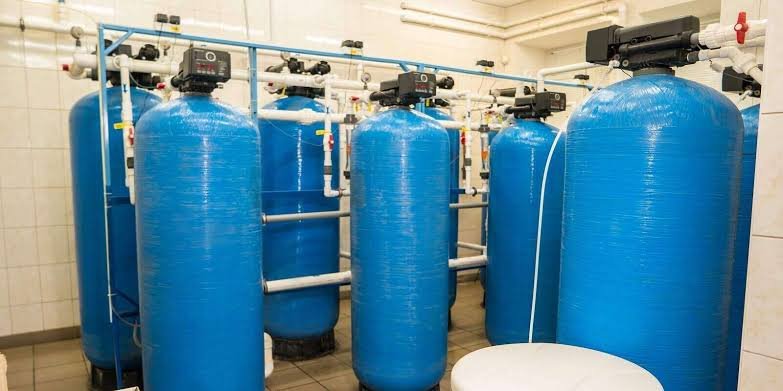
Activated carbon can be useful for certain tastes, odors, and chemicals. Sediment filters target particles. Reverse osmosis can reduce many dissolved substances in drinking water. Ultraviolet systems are used for specific disinfection applications.
The technology should follow the problem, not the other way around.
If the water test doesn’t show a particular concern, there’s little reason to add a treatment stage simply because a brochure says it sounds advanced.
In many homes, simpler is better.
Don’t Ignore Taste and Odor
Taste and odor are often the first things that make people question their water.
Chlorine may be noticeable in some municipal supplies. Well water can sometimes have mineral or sulfur-related odors. Older plumbing may also contribute unusual tastes.
These concerns aren’t necessarily indicators of unsafe water, but they can affect how comfortable people feel using the water every day.
If you’re drinking less tap water because you dislike the taste, that’s worth addressing. A suitable filtration system can sometimes make a noticeable difference without requiring a whole-house overhaul.
Think About the Entire Household
Water treatment decisions should account for how your home actually uses water.
A household with two people and one bathroom has different requirements from a large family with multiple bathrooms, frequent laundry, and several appliances running throughout the day.
Think about peak usage, not just average usage. If showers, washing machines, dishwashers, and other fixtures are frequently used at the same time, treatment equipment needs enough capacity to keep up.
This is one area where professional sizing can be useful.
Installation Is Part of the Solution
A treatment system is only as good as the setup supporting it.
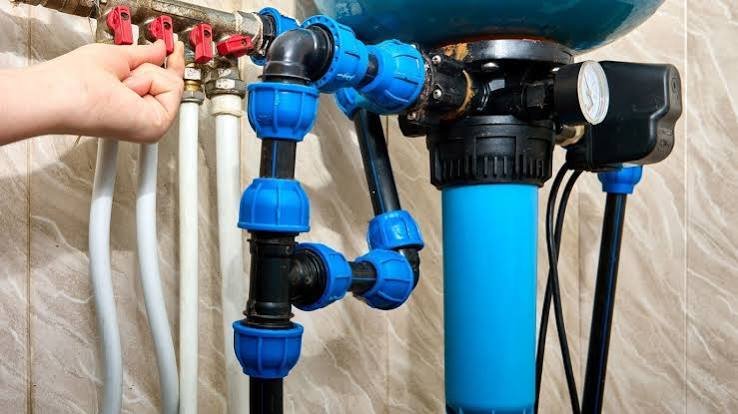
Plumbing connections need to be correct, drainage needs to be considered, and the equipment should be positioned where it can be accessed for future service.
Water pressure is another important factor. Some treatment technologies require adequate pressure to perform properly, while certain plumbing configurations may create restrictions that affect flow.
This is why installation shouldn’t be treated as an afterthought.
The goal of serving your water treatment needs should include not just selling equipment, but helping ensure that the system actually works well within your home.
Maintenance Keeps Problems From Returning
Once treatment equipment is installed, regular care matters.
Filters have limited lifespans. Softener salt needs replenishing. UV lamps eventually need replacement. Connections and valves may require inspection.
Skipping routine maintenance can gradually reduce performance, sometimes without any obvious warning.
Keep a simple record of when filters were replaced or service was performed. You don’t need a complicated spreadsheet. A note on your phone is enough.
If water quality changes unexpectedly, don’t wait months to investigate it.
Don’t Automatically Replace a System When Something Goes Wrong
A treatment system that stops working properly isn’t necessarily finished.
Sometimes the issue is a depleted filter, incorrect setting, salt bridging, a worn valve, or another relatively simple problem.
Before replacing equipment, have it inspected if the system is otherwise in reasonable condition. Repairing one component can be much more economical than replacing an entire setup.
On the other hand, very old equipment with repeated failures may no longer be worth maintaining. The right choice depends on condition, performance, operating costs, and available replacement parts.
Look at Water Treatment as an Ongoing Process
One of the most useful mindset changes is to stop thinking of water treatment as a one-time purchase.
Your household changes. Water usage changes. Equipment ages. Water sources can change too.
A system that made perfect sense several years ago may eventually need adjustment or replacement.
That doesn’t mean you need to constantly upgrade. It simply means paying attention.
Regular testing, sensible maintenance, and occasional professional evaluation can help keep the treatment approach aligned with your actual needs.
Choose Solutions, Not Just Products
Ultimately, good water treatment isn’t about collecting equipment.
It’s about getting water that works better for your household, whether that means less scale, better taste, fewer odors, improved drinking-water quality, or another specific goal.
The right water treatment solutions should be based on evidence, household needs, and realistic long-term maintenance rather than a one-size-fits-all sales pitch.
Start with testing. Ask questions. Understand what each technology does — and what it doesn’t do. Consider installation, operating costs, and future service before making a decision.
Water is something you use every day, often without thinking about it. Taking a little time to understand it can make a surprisingly big difference.
And when treatment is chosen for the water you actually have, rather than the water someone assumes you have, the whole process becomes simpler. Less guesswork, fewer unnecessary expenses, and a setup that makes sense for the home you’re living in. That’s a pretty worthwhile outcome.