Water problems don’t always look like problems at first.
A glass may have a faint metallic taste. A shower might leave an unusual smell behind. Perhaps there is staining around sinks, a greasy film on fixtures, or sediment collecting in a filter. Sometimes the issue is more frustrating than dramatic—you know something isn’t quite right, but you can’t put your finger on what it is.
That uncertainty is common. Water chemistry can be complicated, and different problems require different treatment methods. A filter that works beautifully for one issue might do very little for another.
The sensible approach is to figure out what is actually happening first. From there, treatment becomes much easier to understand.
When Ordinary Filtration Isn’t Enough
Some water conditions are straightforward. A basic sediment filter can capture particles, while carbon filtration may improve certain tastes and odors.
Then there are situations where the water has several characteristics that need attention at once.
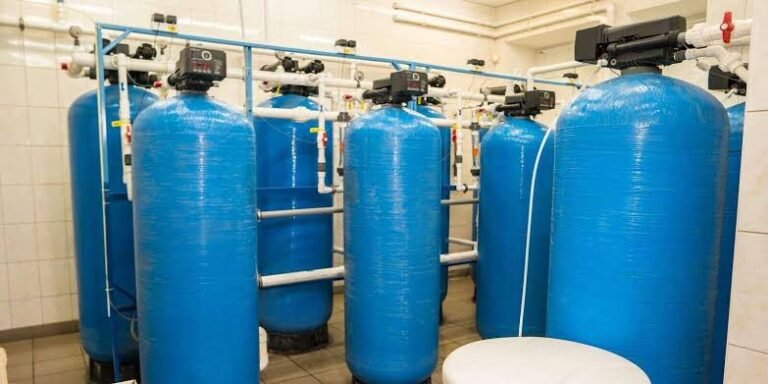
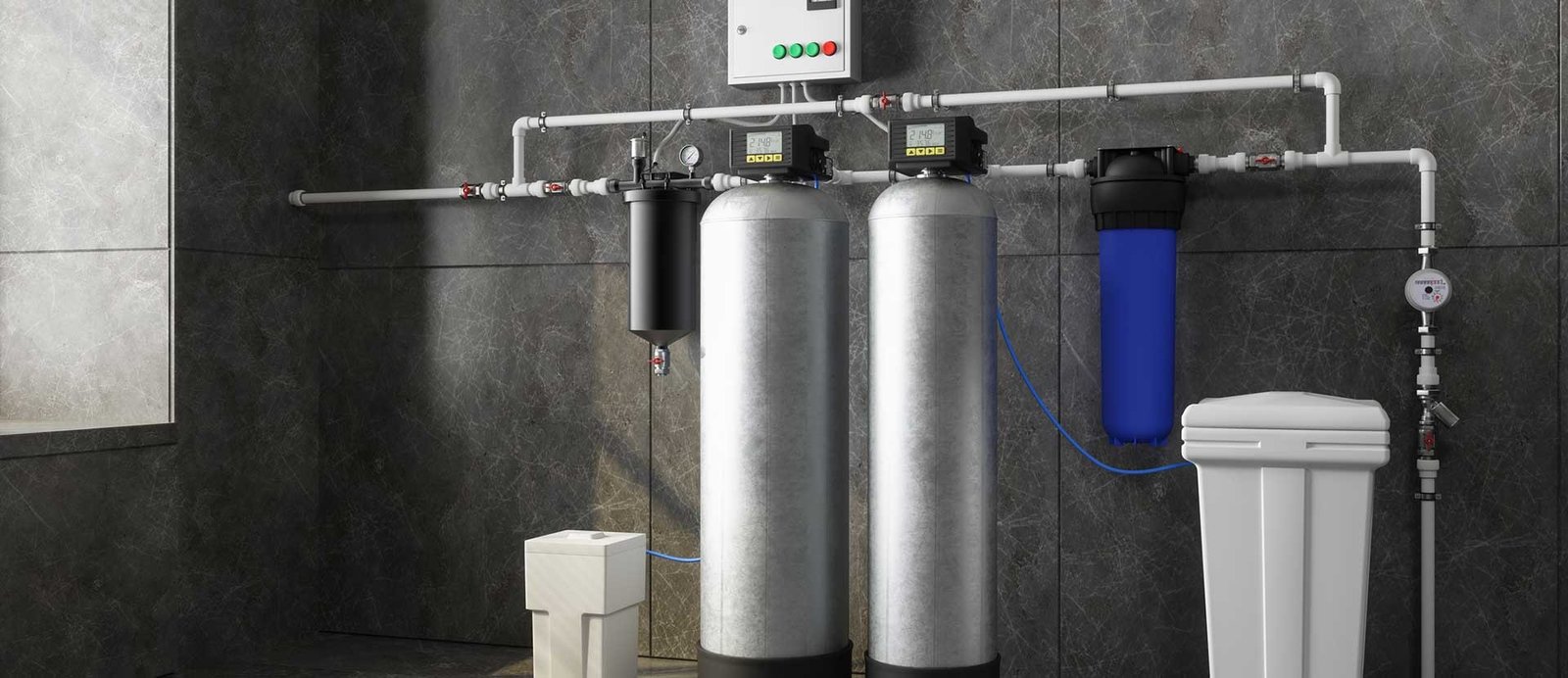
This is where problem water systems become useful. These systems are generally designed around specific water-quality challenges rather than relying on a single, generic filter.
For example, a home may have iron staining, sulfur odors, sediment, hardness, or other characteristics that require different treatment stages. The equipment needs to be selected around the actual water chemistry.
There isn’t much value in installing an impressive-looking system if it isn’t designed to address the problem coming out of your faucet.
Start With a Water Test
It can be tempting to diagnose water based on appearance.
Brown water must mean iron. A rotten-egg smell must mean one particular contaminant. White spots must mean hard water.
Sometimes those assumptions are right. Sometimes they’re not.
Testing provides a much stronger starting point. A basic analysis can reveal characteristics that aren’t obvious to the senses and help establish how severe a particular condition may be.
For private wells, testing is especially important because water quality can vary with local geology, environmental conditions, and changes around the property.
Even when you use municipal water, a local water-quality report can provide useful background before you decide whether additional treatment is necessary.
Different Problems Need Different Technologies
Water treatment isn’t one-size-fits-all.
Sediment may call for mechanical filtration. Hardness is typically addressed through water softening. Certain taste and odor concerns may respond well to activated carbon. Other contaminants can require specialized media or membrane technology.
The treatment method should follow the problem—not the other way around.
This sounds obvious, but it’s easy to get distracted by product descriptions promising “complete purification.” In reality, every technology has strengths and limitations.
A good water professional should be able to explain what a treatment system is designed to reduce and what it isn’t designed to handle.
Chemical Injection Can Be Useful in Specific Situations
Some challenging water conditions require more than passive filtration.
A chemical injection system can introduce a controlled amount of a treatment chemical into the water stream. Depending on the application, this approach may be used for oxidation, disinfection, pH adjustment, or other treatment purposes.
The specific chemical and dosage depend entirely on the water problem and system design.
Because chemical handling introduces additional considerations, installation and calibration should be approached carefully. Incorrect dosing isn’t something to experiment with casually.
A properly designed system should include appropriate controls, maintenance procedures, and safety measures.
This type of treatment can be highly effective when the water chemistry calls for it, but it isn’t a universal solution.
Iron and Sulfur Can Create Persistent Complaints
Iron is a common concern in some well-water supplies. It can produce orange or reddish staining, affect taste, and create deposits in fixtures.
Sulfur-related compounds may produce the familiar rotten-egg odor that makes otherwise usable water unpleasant.
These problems can sometimes occur together, which makes diagnosis particularly important.
Treatment may involve oxidation followed by filtration, specialized media, aeration, chemical injection, or another approach depending on the specific conditions.
Don’t assume the same treatment will work equally well for every well.
The concentration matters. The form of the contaminant matters. Water pH matters, too.
A proper test can reveal those details.
pH Can Change the Treatment Strategy
pH isn’t always the first thing homeowners think about when discussing water quality, but it can influence how other treatment processes perform.
Water that is too acidic, for example, may interact differently with plumbing and treatment media than water with a more neutral pH.
Certain treatment systems are designed to adjust pH before another filtration stage takes place.
This is one reason a complete water analysis can be more useful than testing for a single substance in isolation. Water chemistry is interconnected. Changing one characteristic can affect how another treatment process behaves.
Good system design accounts for those relationships.
Whole-Home Treatment Has a Different Goal
If water-quality concerns affect every faucet, shower, appliance, and fixture, treating only the kitchen tap may not be enough.
A whole home water treatment system treats water at or near the point where it enters the property, depending on the system design.
That means treated water can be distributed throughout the plumbing rather than only at one drinking-water faucet.
This can be useful for households dealing with conditions such as sediment, iron, sulfur odors, hardness, or other issues that affect general household water.
However, whole-home treatment doesn’t automatically mean every possible contaminant is removed. System selection still needs to be based on the actual water analysis.
Consider the Water You Actually Use
Not every household uses water in the same way.
A family with several bathrooms and heavy laundry usage may have very different demands from a couple in a smaller home.
Flow rate matters, especially when multiple fixtures are running simultaneously. A treatment system that performs well at low flow may not be suitable for a property with high peak demand.
Storage capacity, regeneration cycles, filter capacity, and pressure requirements can also influence performance.
The right system should fit the household rather than forcing the household to work around the system.
Maintenance Is Part of the Treatment Plan
Even the best equipment needs attention.
Filters become loaded. Treatment media eventually loses effectiveness. Injection pumps require inspection. Valves, controls, and other mechanical components can wear over time.
Ignoring maintenance can gradually reduce treatment performance without creating an obvious failure.
Keep track of service dates and replacement schedules. If the water begins changing again, don’t simply assume the equipment has “stopped working.” It may need a new filter, adjustment, cleaning, or professional inspection.
A little routine care can prevent a surprisingly large headache.
Think About Long-Term Costs
When comparing systems, look beyond the installation price.
Ask about replacement media, electricity, chemicals, water consumption, service visits, and expected equipment life.
A system that costs less upfront may require more frequent maintenance. Another system might have a higher initial price but lower ongoing requirements.
Neither is automatically the better choice.
The important thing is understanding the total cost of ownership before making a decision.
This is particularly important with specialized systems because replacement components and service requirements can vary considerably.
Don’t Let a Strange Water Problem Become a Permanent Mystery
Water problems can be frustrating because they often involve things you can’t see.
But you don’t have to solve the mystery by trial and error.
Start with testing. Identify the actual characteristics of the water. Then choose treatment technology that matches those findings. If the situation is complicated, get professional help rather than stacking random filters together and hoping for the best.
The right treatment can make a noticeable difference in daily life. Stains become less troublesome. Odors disappear. Appliances may operate under better conditions, and the water simply becomes easier to live with.
Most importantly, you’ll know why the system is there and what it’s supposed to accomplish.
That’s really the foundation of good water treatment: not buying more equipment, but choosing the right equipment for the water you actually have.