Water is part of nearly every household routine, from making the morning coffee to washing clothes after a long day. Most of the time, we don’t give it much thought. That changes when glasses come out of the dishwasher covered in spots, soap refuses to lather properly, or drinking water develops a taste that nobody in the family enjoys.
These problems can have different causes, and the solution isn’t always as complicated as it first appears. Sometimes, the issue is hard water. In other cases, homeowners may want to improve drinking water taste or address a particular concern identified through testing. The important thing is to understand what needs fixing before investing in equipment.
Water treatment systems come in several forms, each designed to handle different conditions. Knowing how they work can help you make a sensible choice for your home, your budget, and your everyday needs.
Understanding Hard Water and Its Effects
Hard water contains higher concentrations of dissolved minerals, mainly calcium and magnesium. These minerals occur naturally as groundwater moves through soil and rock. Although hardness is not generally considered a health concern at typical levels, it can create a few annoying household problems.
White deposits around faucets, cloudy glassware, and scale inside kettles are familiar signs. Over time, mineral buildup may also affect water heaters and other appliances. Some people notice that their skin feels dry after showering or that they need more soap to get the cleaning results they expect.
This is where water softeners can make a difference. Most conventional softeners use an ion-exchange process to replace calcium and magnesium ions with sodium or potassium ions. By reducing hardness, they can help limit scale buildup and make cleaning easier.
However, a softener isn’t a universal water filter. It generally doesn’t remove every contaminant, and it isn’t designed primarily to address all taste, odor, or microbiological concerns. People following a sodium-restricted diet may also want to discuss softened water with their healthcare professional, particularly when the system adds sodium to the water.
Before choosing a softener, have the water hardness measured and consider the household’s daily water use. Proper sizing matters. A system that’s too small may need frequent regeneration, while a poorly maintained unit may not deliver the expected results.
Improving the Taste of Your Drinking Water
Even when water meets applicable drinking-water standards, its taste can affect how much people enjoy using it. Some households notice a chlorine-like flavor in municipal water, while others dislike certain naturally occurring minerals or odors. The cause should guide the choice of treatment.
Activated carbon filters are commonly used to reduce chlorine taste and odor, along with certain other substances depending on the filter’s design and certification. These systems can be installed at a kitchen faucet, beneath the sink, or as part of a larger setup. Their effectiveness depends on the specific contaminants being targeted and how well the filter is maintained.
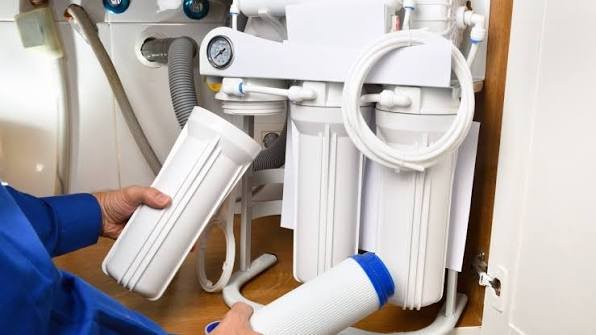
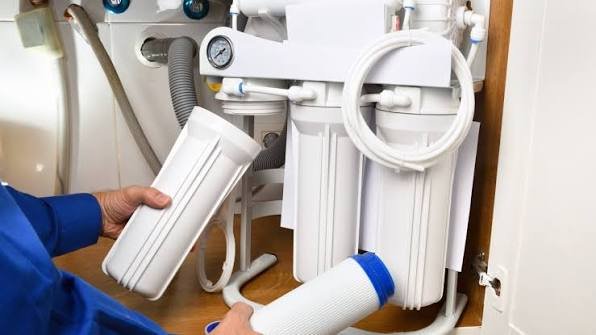
Another option is reverse osmosis drinking water. Reverse osmosis systems push water through a semipermeable membrane that reduces many dissolved substances. Depending on the model and its performance certification, the system may reduce certain salts, metals, and other contaminants. Some units also include prefilters and a final carbon filter to support overall performance and improve taste.
Reverse osmosis isn’t necessary for every home, though. These systems may produce wastewater, require periodic filter and membrane replacement, and need enough space for installation. Water quality, household consumption, and the substances a homeowner wants to reduce should all be considered before making a purchase.
If you’re unsure which option makes sense, start with a water test and ask the provider to explain the results. Look for independent certification that matches your particular concern rather than relying on broad claims printed on packaging.
What Does Whole-House Treatment Actually Do?
A drinking-water filter focuses on one outlet, but some homeowners want to address water conditions throughout the property. A whole-home setup treats water where it enters the house, allowing treated water to flow to bathrooms, laundry areas, kitchens, and other connected fixtures.
Whole house water treatment can involve different combinations of equipment depending on the water source and the problem being addressed. A sediment filter may help capture particles. A softener can reduce hardness. Certain carbon filtration systems can reduce specific substances that affect taste or odor. Other specialized treatment methods may be appropriate when testing identifies a particular contaminant.
The key is not to assume that every home needs a complicated collection of filters. A property with hard water may need a softener, while another home may benefit from a targeted filter at the kitchen sink. A household using well water could require a different approach based on its test results.
Whole-house systems also need suitable installation space, adequate flow capacity, and regular maintenance. If the system is undersized, it may struggle when several showers, faucets, or appliances are running at once. Before installation, discuss peak water demand and any plumbing changes that may be required.
A professional assessment can help determine whether treating the entire home’s water supply is worthwhile or whether a smaller solution will do the job.
Testing Helps You Avoid Guesswork
It can be tempting to buy a treatment system after reading reviews or hearing a neighbor recommend one. Personal experiences are useful, but water conditions can differ from one property to another, even within the same neighborhood.
Testing provides a more reliable starting point. For municipal water, reviewing the supplier’s water quality report can provide helpful background. If the concern relates to plumbing or a particular faucet, further investigation may be necessary because a public report cannot describe every home’s internal pipes.
Private wells require special care. Depending on local recommendations and potential risks, testing may include bacteria, nitrates, and other substances. A change in appearance or taste, flooding, or repairs to the well may be reasons to arrange additional testing.
Ask what a proposed test measures and whether laboratory analysis is needed. If results suggest a possible health concern, consult the relevant public health authority and follow its advice. Treatment equipment should not replace proper investigation when water safety is in question.
Installation, Costs, and Ongoing Care
The purchase price is only one part of owning a water treatment system. Installation, replacement filters, salt, servicing, and repairs can all affect the long-term cost. Before agreeing to a quote, ask for a breakdown of what is included and which ongoing expenses you should expect.
Installation quality matters, too. Systems must be connected correctly and configured according to the manufacturer’s instructions. Some require drainage, electrical access, or particular operating conditions. A qualified installer should explain how the equipment works and show you what routine care involves.
Maintenance shouldn’t be left until something goes wrong. Replace filters at the recommended intervals, inspect equipment as directed, and keep records of service visits. Changes in pressure, taste, odor, or the return of mineral deposits may indicate that the system needs attention.
It’s also worth checking warranty terms and the availability of replacement parts before buying. A reasonably priced system that’s easy to maintain may offer better long-term value than a more expensive model with costly consumables.
Finding the Right Fit for Your Household
Choosing water treatment equipment doesn’t have to be overwhelming. Begin by identifying the problem, testing where appropriate, and comparing systems designed to address the results. Think about how much water your household uses, how much maintenance you’re comfortable handling, and what you can realistically spend.
The best solution is rarely the one with the most features. It’s the one that meets your needs without adding unnecessary complexity. With clear information and a sensible plan, you can improve water quality, reduce avoidable scale buildup, and make everyday household tasks a little easier.
Good water treatment begins with understanding your water. Get that part right, and the decisions that follow become much simpler.