Water has a funny way of becoming invisible when it works properly. You turn on the faucet, fill a glass, wash the dishes, take a shower, and carry on with your day. But once something changes—a strange taste, cloudy water, stubborn spots on the sink, or scale around the showerhead—you start paying attention.
And that’s usually when homeowners begin looking at water treatment.
The important thing is not to rush into buying equipment simply because a product promises cleaner, softer, or better-tasting water. Water quality is different from one home to another. The right treatment starts with finding out what is actually happening in your water and then choosing a practical way to address it.
Start With a Water Test
Before discussing filters, softeners, or reverse osmosis, it makes sense to understand the water source. A basic water test can reveal characteristics that aren’t visible to the naked eye.
Depending on the property and water source, testing may include hardness, pH, iron, manganese, sediment, bacteria, nitrates, and other substances. Municipal customers may also have access to local water-quality reports, while private well owners generally need to be more proactive about testing.
Testing isn’t about making things complicated. Quite the opposite. It gives you a starting point.
Imagine trying to fix a car when you don’t know what is wrong with it. You might replace a perfectly good part and still have the same problem. Water treatment can work the same way.
What Residential Treatment Can Actually Do
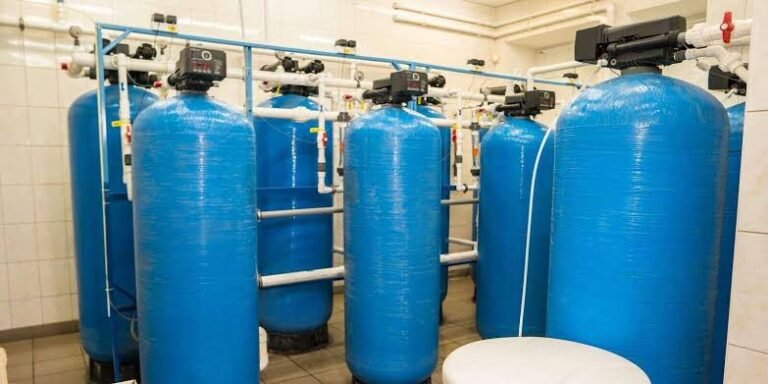
Once water has been tested, the next question is what type of treatment makes sense. Residential water treatment systems can be designed to address a range of common concerns, from excessive hardness and sediment to unpleasant tastes and odors.
Water softeners, for example, are primarily used to reduce hardness caused by minerals such as calcium and magnesium. Filtration systems may target sediment, chlorine taste, or certain other contaminants, depending on the technology. Reverse osmosis is often used for drinking water when a more extensive reduction of dissolved substances is desired.
There isn’t one magic machine that handles every water problem. That’s worth remembering when comparing products.
Hard Water Is a Common Household Frustration
Hard water may not always be considered a serious health issue, but it can certainly become a household nuisance. Mineral deposits may appear on faucets, shower doors, dishes, and fixtures. Over time, scale can also collect inside water heaters and other appliances.
You might notice that soap doesn’t rinse quite the way you’d expect. Maybe your shower glass always looks cloudy again a day after cleaning it. These little annoyances add up.
A properly selected softening system can help reduce the effects of excessive hardness. It may also make cleaning easier and help protect plumbing components from persistent mineral buildup.
Better Water Isn’t Just About Drinking
When people hear “water treatment,” they often think about the kitchen faucet first. That’s understandable. Drinking water matters, of course, but household water quality affects much more than what’s in your glass.
Bathing, laundry, dishwashing, cooking, and appliance operation all involve water. If the source has significant hardness, sediment, odors, or other characteristics that affect everyday use, treating only the kitchen faucet may not address the broader problem.
This is why better water starts at home is more than a catchy phrase. Understanding the whole household water situation can lead to a solution that makes daily routines easier, not just drinking water more pleasant.
Choosing Between Whole-House and Point-of-Use Treatment
A whole-house system treats water as it enters the property, so the benefits can extend to multiple faucets and appliances. This approach can be useful when the water concern affects the entire home.
Point-of-use treatment is more targeted. A reverse osmosis system under the kitchen sink, for instance, can focus on drinking and cooking water without treating every gallon used for showers or laundry.
Neither option is automatically better. It depends on what the test results show and what you want the system to accomplish.
Sometimes a homeowner needs comprehensive treatment. Other times, a smaller targeted solution is all that’s necessary. Spending more doesn’t automatically mean getting better results.
Think About Household Water Use
Water demand is another detail that can easily get overlooked.
A small household with one bathroom has very different needs from a busy family with several bathrooms, frequent laundry loads, and multiple people showering around the same time. A treatment system needs to keep up with those demands without creating unnecessary pressure or flow problems.
System sizing should consider peak water usage, not just the average amount consumed each day. If equipment is undersized, performance may suffer. If it’s dramatically oversized, you may end up paying for capacity you rarely use.
It’s a bit like buying a refrigerator. You want enough room for your household, but you don’t need a restaurant-sized unit in a studio apartment.
Maintenance Is Part of the Investment
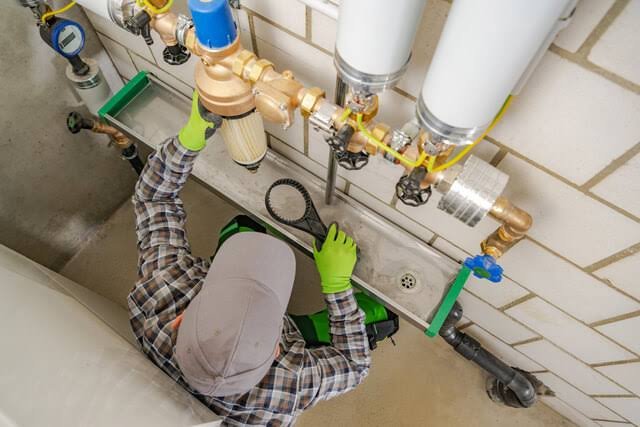
Installing treatment equipment isn’t the finish line. Filters need changing. Some systems require sanitization or inspections. Water softeners may need salt and occasional adjustments. Reverse osmosis membranes eventually need replacement.
Skipping maintenance can reduce performance and, in some cases, create new problems.
The good news is that routine maintenance doesn’t have to be difficult. Keep a simple record of filter changes and service visits. Pay attention to changes in water taste, pressure, appearance, or odor. If something feels different, don’t ignore it for months hoping it’ll sort itself out.
Usually, small problems are easier to address than neglected ones.
Look for a Solution Built Around Your Home
The best residential water solutions aren’t necessarily the ones with the longest list of features. They’re the ones that match the property’s water quality, plumbing, usage patterns, and homeowner priorities.
A professional water treatment provider can evaluate test results and explain which technologies are appropriate. They can also help with system sizing, installation, maintenance schedules, and future service needs.
That conversation is valuable because it shifts the focus away from buying a product and toward solving a problem.
Good Water Treatment Should Feel Simple
At the end of the day, water treatment shouldn’t become another complicated household chore. The system should work quietly in the background while you get on with your life.
Start with testing. Understand the problem. Consider how water is used throughout the home, and choose treatment based on actual needs rather than assumptions. Then keep the equipment maintained so it continues doing what it was installed to do.
There’s something reassuring about turning on a faucet and knowing the water is being handled properly. No fuss, no second-guessing, no wondering whether that strange taste will disappear tomorrow.
Sometimes the smartest home improvements are the ones you barely notice once they’re working. Good water treatment is one of them.