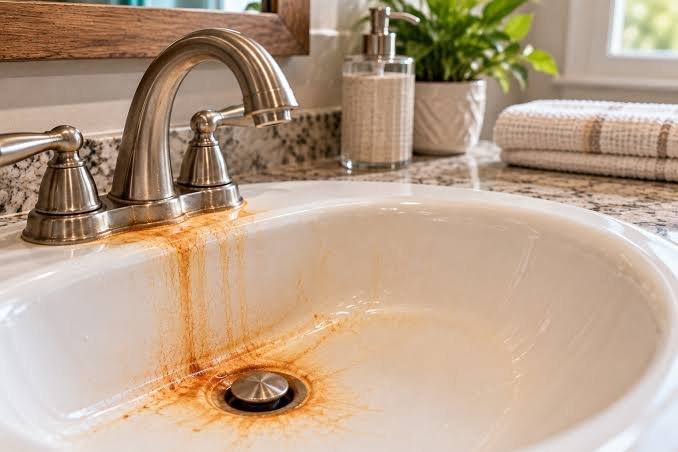
Most homeowners have a few things they would like to improve around the house. Maybe it’s the chalky residue that keeps appearing on the kitchen faucet, the odd taste in a glass of water, or the stubborn stains that never seem to disappear from the bathroom sink. These little annoyances can become part of everyday life, but they may also be clues that your home’s water deserves a closer look.
The tricky part is knowing where to begin. Buying a filter because a neighbor recommended it might sound reasonable, yet their water could have completely different characteristics from yours. A more practical approach starts with testing. Once you understand what’s in your water, you can make informed decisions about treatment instead of spending money on equipment you may not need.
Why Water Testing Is Worth the Effort
Water can contain dissolved minerals, sediment, and other substances that aren’t always visible. Some affect taste or appearance, while others require laboratory testing to identify. Hard water, for instance, often leaves mineral deposits around faucets and inside kettles. Elevated iron levels can contribute to reddish stains, while certain contaminants may not create any noticeable change at all.
That last point matters. Water that looks clean and tastes perfectly normal isn’t necessarily free from every substance of concern. Testing is especially important for households using private wells, where water quality can change because of environmental conditions, nearby activities, or changes in the groundwater supply.
People receiving municipal water can start by reviewing the local supplier’s water quality report. This provides useful information about the public supply, although it may not describe every condition that develops between the treatment plant and an individual tap.
Testing helps establish a baseline. Instead of guessing why water tastes unusual or why appliances develop scale, you have actual information to guide the next step.
What to Expect From a Water Test
Not every water test checks for the same things. Basic screening may measure hardness, pH, or other common characteristics. More comprehensive laboratory analysis can investigate specific contaminants, depending on the sample and the tests requested.
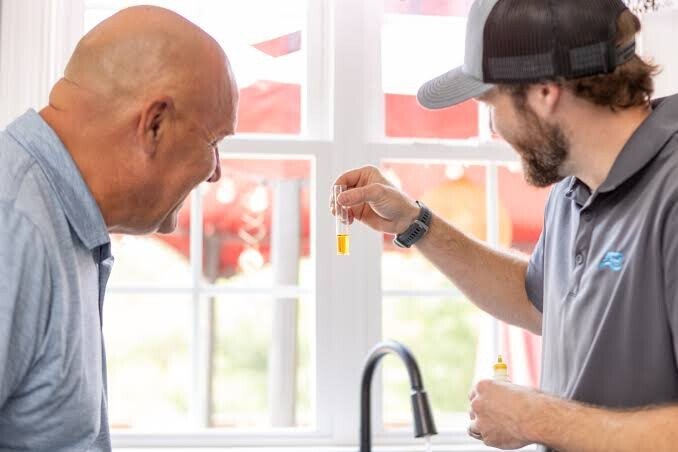
A free, detailed water test offered by a local water treatment provider may be a convenient starting point for understanding common household water concerns. Such an assessment might help identify hardness, iron, or other characteristics relevant to choosing treatment equipment.
Still, it’s sensible to ask what the test actually includes. The word detailed can mean different things to different providers, and a complimentary assessment may not cover every substance that could affect drinking water safety. Some tests use portable equipment designed for basic screening, while others involve laboratory analysis.
If you’re concerned about health-related contaminants, ask whether the testing method is appropriate for the substance in question. A certified laboratory may be necessary, particularly for private well water or when local health authorities recommend specific testing.
Follow the sampling instructions carefully. Use the correct container, avoid contaminating the sample, and observe any guidance about flushing the tap or collecting water at a particular time. Even a good test can produce misleading results if the sample isn’t collected properly.
Understanding the Results Without Getting Lost in Technical Details
Water reports can look intimidating at first. They may contain unfamiliar units, technical terms, and numbers that don’t mean much without context. Don’t feel you need to become a water chemistry expert overnight.
Start by asking which findings matter for your household. Hardness, for example, is commonly reported in grains per gallon or milligrams per liter as calcium carbonate. Higher hardness can contribute to scaling, but it doesn’t automatically mean the water is unsafe to drink.
Other results require a different level of attention. If testing identifies a contaminant that may pose a health risk, compare the result with relevant drinking water standards and consult a qualified laboratory or public health authority about appropriate next steps. Don’t rely solely on a salesperson’s interpretation of a concerning result.
It also helps to distinguish between aesthetic problems and health-related concerns. An unpleasant taste may call for a different response than a confirmed contaminant above a recommended limit. Both deserve attention, but the treatment approach should reflect the actual issue.
When something in the report is unclear, ask for an explanation in plain language. A trustworthy provider should be willing to explain what the numbers mean, what they don’t tell you, and whether further testing is necessary.
Choosing the Right Water Treatment
Once you understand the results, you can compare treatment options more confidently. Different technologies solve different problems, and no single system is designed to remove everything.
A conventional water softener uses ion exchange to reduce calcium and magnesium, making it useful for many hard-water problems. Sediment filters capture suspended particles, while activated carbon can reduce certain substances that affect taste and odor. Reverse osmosis systems may reduce many dissolved contaminants when selected and maintained appropriately.
The right water system recommendations should be based on your test results, water usage, household size, and budget. A family experiencing hard water throughout the property may benefit from a whole-house softener, while someone primarily concerned about drinking water may prefer an under-sink filtration system.
In some homes, a combination of technologies makes sense. For example, a softener may address hardness while a separate drinking water filter targets specific contaminants. In other cases, a simple solution is enough.
Be cautious about providers who recommend expensive equipment before discussing your water results. Ask which problem each component is intended to solve and request documentation supporting any claims about contaminant reduction. Independent certifications can help verify performance, but make sure the certification applies to the specific model and treatment claim.
Think Beyond the Initial Price
The purchase price is only part of the cost of water treatment. Replacement cartridges, softener salt, servicing, electricity, and wastewater can all contribute to long-term expenses. Some systems need very little attention, while others require regular checks and scheduled component replacement.
Before committing, ask how often maintenance is needed and whether replacement parts are readily available. Find out what happens if the system stops working and whether professional service is included in the price.
Installation also deserves consideration. Whole-house equipment may require additional plumbing, drainage, and sufficient space. Under-sink filters need accessible connections so cartridges can be replaced without turning a simple task into a frustrating afternoon.
A written estimate can make comparisons easier. It should explain what the equipment includes, what installation covers, and which ongoing costs you’ll be responsible for. This helps you judge the value of a system rather than choosing based on the lowest advertised price.
Keep Checking Your Water Over Time
Water quality isn’t always fixed. Changes in the source, plumbing work, seasonal conditions, or nearby environmental activity can affect the supply. Private well owners should follow recommended testing schedules, and any household should investigate a sudden change in taste, smell, color, or clarity.
After installing treatment equipment, continue following its maintenance instructions. Replace filters on schedule, inspect for leaks, and arrange additional testing when appropriate. A treatment system should be viewed as part of an ongoing home maintenance routine, not a one-time purchase that never needs attention again.
A Smarter Way to Improve Your Home’s Water
Better water begins with good information. Testing helps identify the problem, clear explanations make the results easier to understand, and suitable equipment addresses the concerns that genuinely matter.
Take your time, ask questions, and compare options carefully. You don’t need the most elaborate system on the market; you need one that fits your water quality, household needs, and budget. With a thoughtful approach, water treatment becomes less about guesswork and more about making a practical improvement you’ll appreciate every day.