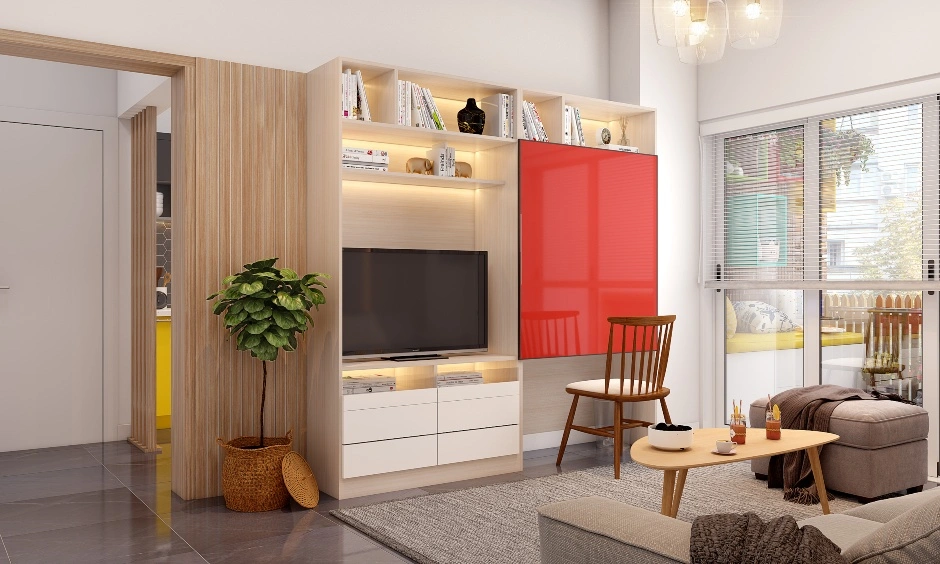
A room can be beautifully decorated and still not feel quite right. The sofa might be expensive, the lighting carefully selected, and the finishes beautifully coordinated, yet something feels awkward. Maybe there’s nowhere comfortable to put your feet. Perhaps the dining chairs are too close together. Or the room simply doesn’t encourage people to stay.
These small frustrations are easy to overlook when you’re focused on colors, materials, and furniture. But they matter.
A home is experienced through movement, routine, sound, light, and comfort. We carry groceries through it, wake up in it, entertain friends, work late, make dinner, leave shoes by the door and occasionally wonder why we keep putting the keys in the wrong place.
Good interior design begins with those ordinary realities.
Before thinking about what a room should look like, it helps to understand what it needs to do.
Start With the Way People Live
Every household has its own rhythm.
Some families gather around the kitchen from morning until bedtime. Others spend more time in a formal living room. Someone may need a quiet workspace, while another person might want a comfortable corner for reading or listening to music.
These habits should influence the layout.
Thoughtful space planning considers how people move through a home, where furniture will sit, how rooms connect, and what happens when several people use an area at once. It sounds technical, but the result is surprisingly personal.
A well-planned room doesn’t make you think about circulation. You simply move through it naturally.
That’s the point.
Don’t Let Furniture Decide Everything
Furniture is important, but it shouldn’t always be the starting point.
When homeowners fall in love with one oversized sofa or a particularly large dining table, the rest of the room can end up being designed around that single purchase. Sometimes it works. Sometimes it creates a series of compromises.
Instead, think about the room as a whole.
Where should conversations happen? How many people need to sit comfortably? Is there enough space behind the chairs for someone to walk past? Can a door open fully? Does a coffee table sit close enough to be useful without becoming an obstacle?
These questions are not glamorous, but they’re what make a room pleasant to use.
And yes, sometimes the best design decision is buying the slightly smaller sofa.
Proportion Changes Everything
A room can have plenty of floor space and still feel crowded if the proportions are wrong.
A low ceiling may benefit from furniture with a lighter visual profile. A large room with tall windows can often support more substantial pieces. A tiny side table beside an oversized sofa may look lost, while a large lamp on a small table can feel top-heavy.
Proportion isn’t just about measurements. It’s also about visual weight.
This is why seeing furniture, finishes, and architectural elements together is so valuable. A single sample or product photograph rarely tells the whole story.
Stand back. Look across the room. Then look from the doorway.
Interior design often becomes clearer when you stop staring at individual pieces and start looking at relationships.
Let Rooms Have Their Own Personality
A cohesive home doesn’t mean every room has to look the same.
In fact, too much consistency can make an interior feel flat.
The bedroom might be calm and soft, while the dining room has stronger color. The home office may be more practical and restrained. A powder room could be playful because it offers a chance to experiment without affecting the rest of the house.
What connects these spaces is usually a shared thread — perhaps wood tones, hardware finishes, recurring colors, or similar architectural details.
Think of the house as a conversation between rooms. They don’t need to say the exact same thing, but they should understand one another.
Natural Light Should Be Part of the Plan
Lighting is often discussed after the layout is decided, but natural light should influence design from the beginning.
Watch how sunlight moves through the home.
A room that receives bright morning light may feel completely different from one that gets afternoon sun. Window orientation affects furniture placement, artwork, flooring, and even fabric choices.
Strong sunlight can also affect certain materials over time. Upholstery and artwork may need protection in areas with intense exposure.
Then there is the emotional side.
Natural light can make a compact room feel more generous. It can highlight textures, bring out subtle colors, and make an otherwise ordinary corner feel special.
Sometimes the best design choice is simply making sure the curtains don’t block the view.
Storage Should Be Considered Early
Clutter has a way of appearing wherever storage is missing.
Shoes gather near entrances. Small appliances take over countertops. Blankets end up on chairs. Charging cables multiply overnight, seemingly without permission.
Good storage doesn’t necessarily mean adding more cabinets everywhere.
It means understanding what needs to be stored and where it makes sense to store it.
Entryways need places for everyday items. Kitchens need accessible storage for frequently used equipment. Bedrooms need room for clothing and linens. Home offices require solutions for technology, paperwork, and supplies.
When storage is integrated into the layout, it can feel almost invisible.
That’s a good thing.
What Makes a Successful Interior?
A successful interior isn’t necessarily the most luxurious or visually dramatic one. It’s the space that continues to work after the photographs are taken.
People can sit comfortably. Lighting works at different times of day. Furniture supports conversation. There is enough storage. Materials handle everyday use. Rooms connect logically without becoming repetitive.
A successful interior also leaves some room for life to change.
Maybe a guest room eventually becomes a nursery. A formal dining room turns into a home office. Children grow up and need different spaces. Furniture moves. Priorities shift.
The design should have enough flexibility to accommodate those changes.
Don’t Ignore the Unseen Details
Some of the best design decisions are the ones nobody notices.
An outlet in exactly the right place. A switch that can be reached from bed. A cabinet that opens without hitting another door. A hallway light positioned so the space isn’t dark at night.
These details don’t necessarily appear in finished-room photographs.
But homeowners notice them every day.
This is where careful planning pays off. The more complex a project becomes, the more important it is to consider practical details before construction reaches the point where changes become expensive or difficult.
Good design isn’t just what you see.
It’s what works quietly in the background.
The Process Should Have Room for Discovery
Even with careful planning, not everything can be decided immediately.
Materials look different in natural light. Furniture may feel different once it is inside the room. A color that seemed perfect on a small sample might become too strong across an entire wall.
The design process should allow for those discoveries.
That doesn’t mean making endless changes without direction. It means understanding that design is partly about observing, testing, adjusting, and sometimes admitting that the first idea wasn’t quite right.
There’s no prize for refusing to change your mind.
In fact, some of the best decisions happen after seeing the space begin to take shape.
A Home Should Feel Natural, Not Perfect
Perfection is an interesting goal for a home because people aren’t perfect, and neither is everyday life.
A child leaves a toy in the hallway. Someone forgets to put the cushions back. A cup sits on the coffee table overnight. A favorite chair gets worn.
None of this should destroy the design.
The strongest interiors are able to absorb those moments. They have structure without feeling rigid. They are beautiful without being precious.
That balance takes thought.
And it usually comes from understanding that design isn’t about creating a static picture. It’s about creating an environment that supports real people through ordinary days and memorable ones.
Good Design Has a Quiet Confidence
When an interior is carefully considered, it doesn’t need to announce how much work went into it.
You notice that the rooms connect naturally. You feel comfortable sitting down. You know where things belong. The lighting changes with the mood. Materials feel appropriate to the way the space is used.
Nothing is screaming for attention.
Instead, the whole home feels settled.
That’s perhaps the most rewarding result of thoughtful design: when planning becomes invisible and living becomes easier.
Because ultimately, a home isn’t successful because every corner looks perfect.
It’s successful when you walk through the door and feel that the space understands you.