Most of us know when something is wrong with the water because we notice it in an ordinary moment. The shower suddenly feels different. The kitchen tap has an unfamiliar taste. A glass comes out of the dishwasher covered in spots. Or maybe the water pressure drops for no obvious reason.
The frustrating part is that some water-quality problems aren’t visible at all.
That doesn’t mean homeowners should become obsessed with testing every drop that comes from the faucet. It simply means a little awareness can go a long way. With the right combination of testing, treatment and monitoring, it’s possible to understand what’s happening without turning water management into another full-time chore.
Technology is making that easier, too.
Start With the Basics
Before thinking about smart equipment, start with the fundamentals. Know where your water comes from and what characteristics it has.
Municipal water and private well water can have very different treatment needs. Even homes using the same general water source may experience different issues because of plumbing, household usage or local conditions.
Testing can provide useful information about hardness, iron, sediment, pH and other water characteristics. Once you know what’s actually present, treatment decisions become much more logical.
It’s a simple idea, but an important one: don’t try to solve a problem you haven’t identified.
When Point-of-Use Treatment Makes Sense
Not every water concern needs to be addressed throughout the entire house.
Point of use systems can treat water at a specific location, such as a kitchen faucet. This can be a practical choice when the primary goal is improving drinking and cooking water rather than changing the characteristics of every gallon entering the property.
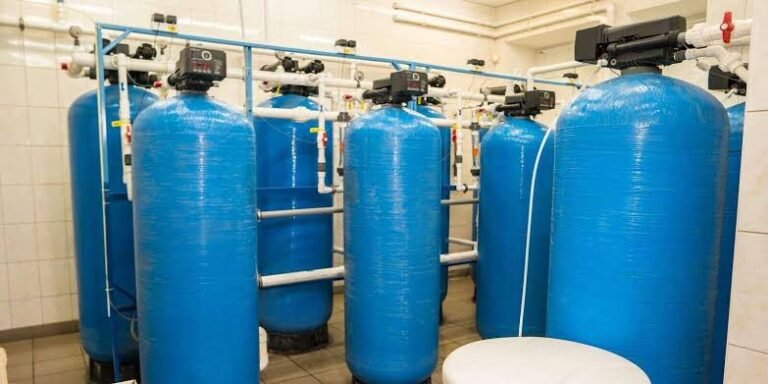
For example, a homeowner might use a whole-home softener to manage hardness while using a separate filtration system at the kitchen sink for drinking water.
Point-of-use treatment can also be useful for households that don’t want to make major changes to their plumbing. The equipment is typically more targeted, which can keep both installation and maintenance relatively straightforward.
Of course, the technology still needs to match the problem.
The Role of UV Water Treatment
Some water-quality concerns require more than filtration.
For private well owners, microorganisms can be an important consideration depending on the condition and history of the well. Testing can determine whether microbial concerns need to be addressed.
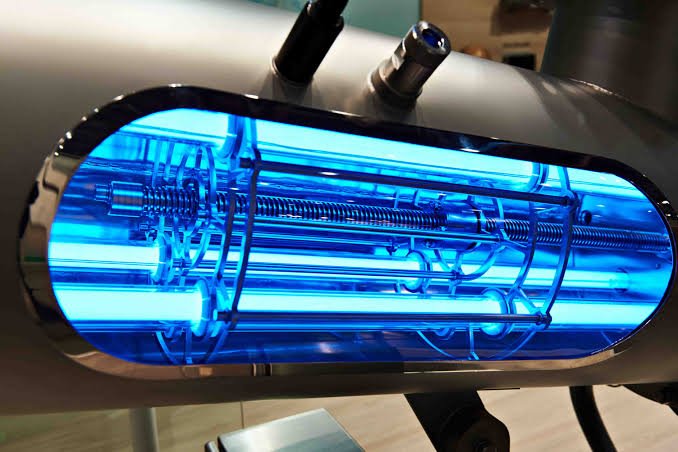
UV water disinfection uses ultraviolet light to inactivate certain microorganisms as water passes through a treatment chamber. It doesn’t rely on adding a chemical disinfectant to the water, which makes it an appealing option for some residential applications.
But UV isn’t a magic wand. The water usually needs to be clear enough for the ultraviolet light to work effectively, and the equipment needs regular maintenance.
A prefilter may be necessary to reduce sediment or turbidity. The lamp also needs to be replaced according to the manufacturer’s recommendations.
Why Monitoring Is Becoming More Useful
Traditional water treatment has often been reactive. Something goes wrong, someone notices it, and then a service call is made.
Monitoring can change that approach.
Modern smart water monitoring technology can help homeowners keep an eye on things such as water usage, leaks, pressure or certain system conditions, depending on the equipment installed.
That doesn’t mean every home needs a phone notification every time someone flushes a toilet. But having useful information available can help identify unusual patterns.
For instance, a sudden increase in water use could indicate a hidden leak. A repeated pressure change might point toward a developing plumbing or equipment issue.
Information is most valuable when it helps you act earlier.
Leaks Are a Different Kind of Water Problem
Not every water problem involves water quality.
A slow leak behind a wall or beneath a fixture can waste a surprising amount of water before anyone notices. By the time a stain appears on a ceiling, the problem may have been developing for quite a while.
Monitoring devices that track flow can help identify unusual water usage patterns. Some systems can even alert homeowners when water continues flowing for an unusually long period.
This doesn’t replace common sense or regular inspections, but it can provide another layer of awareness.
And sometimes that extra layer is exactly what catches a problem before it becomes expensive.
Don’t Confuse Monitoring With Treatment
This distinction is important.
A monitoring device can tell you that something has changed, but it generally doesn’t fix the underlying water-quality problem.
Likewise, a filter can treat water, but it may not tell you when conditions are changing upstream.
Think of monitoring and treatment as two different tools. One provides information; the other takes action.
Used together, they can create a more complete approach to household water management.
Maintenance Still Matters
Technology doesn’t eliminate maintenance.
Filters still become saturated. UV lamps still have service lives. Softener systems still need attention. Sensors and monitoring equipment may also require occasional checks or replacement.
The easiest way to stay on top of this is to keep a basic schedule.
Write down when filters were replaced. Note service visits. Keep records of water tests, particularly if you’re on a private well.
It doesn’t need to be complicated. A simple note on your phone can be enough.
Smart Features Should Solve Real Problems
It’s easy to get carried away by technology. A system may offer an impressive app, multiple alerts and a long list of features.
But ask yourself whether those features will actually be useful.
If a smart sensor helps detect a leak before it causes water damage, that’s valuable. If monitoring helps identify unusual consumption, it can potentially save water and money.
On the other hand, a feature that produces constant notifications without providing meaningful information may quickly become something you ignore.
The smartest system is often the one that gives you useful information without demanding your attention all day.
Private Well Owners Have More to Watch
For households using private wells, monitoring and testing can be particularly important.
Well conditions can change because of weather, groundwater movement, equipment problems or other environmental factors. A system that performed perfectly last year may need attention today.
Regular water testing provides the bigger picture, while monitoring can help identify changes in usage or system performance.
Neither replaces the other.
Think of testing as taking a detailed photograph of water quality at a particular moment. Monitoring is more like watching what happens over time.
Both perspectives can be useful.
Better Information Leads to Better Decisions
Home water management doesn’t have to be complicated. It starts with understanding the basics and then adding technology where it genuinely helps.
Test the water when appropriate. Choose treatment based on actual results. Use targeted systems when only certain water uses need treatment. Consider UV disinfection when testing and water conditions make it appropriate.
And if monitoring technology can help detect leaks, unusual usage or system changes, use it as another layer of protection.
The goal isn’t to turn your home into a laboratory. It’s simply to become a little less reactive.
When homeowners know what their water is doing, they can make better decisions about maintenance, treatment and repairs. That’s where technology really earns its place — not by making water management flashy, but by making it a little easier, a little clearer and, hopefully, a lot less surprising.