A water treatment system is one of those home investments you tend to forget about once everything is working properly. The water tastes good, the shower feels normal, the fixtures stay cleaner, and nobody gives the equipment tucked away in a corner much thought.
Then something changes.
Water pressure drops. The softener seems to stop doing its job. A strange taste appears in the kitchen tap. Maybe the system starts making a noise it definitely didn’t make six months ago.
That’s usually when homeowners remember that water treatment equipment, like everything else in a house, needs attention.
Regular maintenance isn’t about constantly worrying over filters and valves. It’s about catching small problems before they become expensive ones and making sure the system continues to perform the way it was designed to.
Small Changes Can Be Early Warnings
Water-treatment problems don’t always begin with a complete system failure. Often, the first sign is subtle.
You may notice more scale around faucets, a gradual change in water taste, lower flow from a filtered tap, or staining that has started returning. These changes are easy to dismiss because the water still “works.”
But small performance changes can be useful clues.
water treatment repairs & maintenance can help identify issues such as clogged filters, worn components, incorrect settings, leaks, or declining treatment performance before they become major headaches.
A quick inspection today may be much easier than dealing with a flooded utility area tomorrow.
Your Filters Have a Working Life
Filters don’t last forever. This sounds obvious, but it’s one of the most common maintenance tasks people forget.
A sediment cartridge gradually fills with particles. Activated carbon eventually reaches its adsorption capacity. Other treatment media have their own service requirements.
Waiting until water tastes bad or flow becomes extremely weak isn’t always the best strategy. Manufacturers typically provide recommended replacement intervals, but actual filter life can vary according to water quality and household consumption.
A busy family can move through filtration capacity much faster than a person living alone.
Write down the date when a filter is installed. It’s a tiny habit that can save you from guessing later.
When a Water Softener Stops Performing
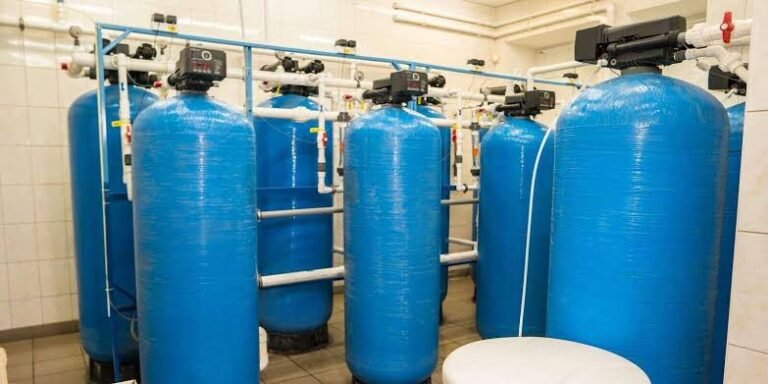
A water softener has a fairly specific job: reducing hardness in the water.
If you suddenly notice scale returning to faucets, shower doors, or appliances, the softener may deserve a closer look. There could be a problem with regeneration, salt levels, settings, valves, resin performance, or water flow.
water softener repair may involve something relatively straightforward, such as correcting a setting or replacing a worn component. In other cases, the system may need more extensive inspection.
Before assuming the softener has reached the end of its life, have the problem diagnosed. Sometimes a repair can restore performance without replacing the entire unit.
Salt Isn’t the Only Thing That Matters
Homeowners often associate softeners almost entirely with salt. But salt is only one part of the system.
The control valve, brine tank, resin bed, injector, bypass valve, and plumbing connections all play roles in normal operation.
If salt consumption suddenly changes, regeneration becomes unusual, or the system stops reducing hardness effectively, don’t simply add more salt and hope for the best.
The cause could be elsewhere.
Understanding that can prevent unnecessary maintenance and help you explain the symptoms more clearly when contacting a service professional.
Reverse Osmosis Systems Need Attention, Too
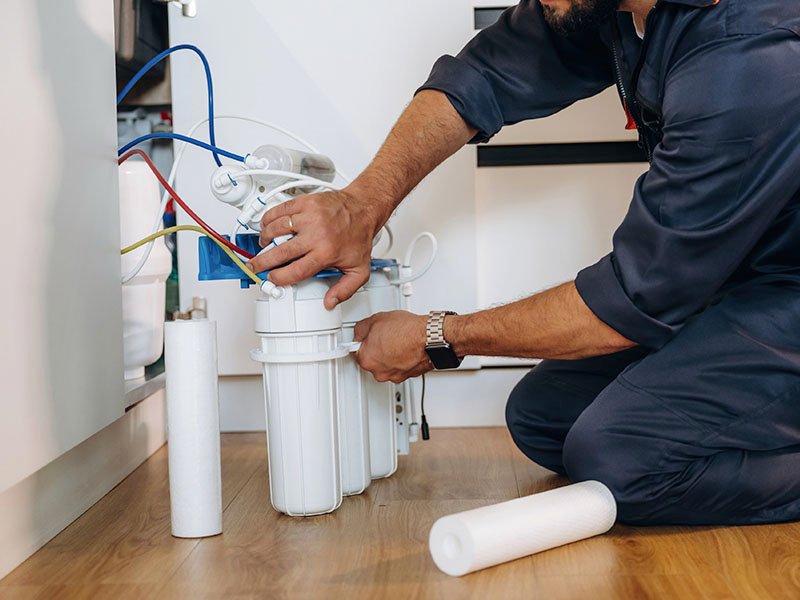
Reverse osmosis systems are often installed under the kitchen sink, where they quietly produce treated drinking water. Because they’re out of sight, maintenance is easy to forget.
reverse osmosis service can include filter and membrane replacement, checking pressure, inspecting connections, sanitizing appropriate components, and verifying that the system is producing water properly.
A noticeable drop in flow is one reason to investigate. Another is a change in taste or odor.
The problem isn’t necessarily the membrane itself. Pre-filters, post-filters, tubing, storage tanks, and valves can all influence system performance.
A proper inspection looks at the system as a whole rather than automatically replacing the most expensive component.
Low Pressure Doesn’t Always Mean Bad Equipment
One frustrating situation is a filtered faucet that suddenly produces only a thin stream of water.
Low flow can have several causes. A clogged cartridge is an obvious possibility, but restricted tubing, low incoming pressure, a partially closed valve, or other plumbing conditions may also be responsible.
This is why replacing the filter immediately isn’t always the answer.
If a new cartridge doesn’t solve the problem, further troubleshooting may be necessary. A professional can check pressure and flow conditions to determine whether the issue originates inside the treatment system or somewhere else in the plumbing.
Leaks Should Be Taken Seriously
Water leaks don’t need to be dramatic to cause damage.
A slow drip around a fitting can gradually create moisture, staining, cabinet damage, or mold-friendly conditions. Under-sink systems deserve particular attention because small leaks can go unnoticed behind stored items.
Check connections periodically. Look for dampness, mineral deposits around fittings, or unusual moisture near equipment.
If a leak suddenly appears, shut off the appropriate water supply when practical and investigate the cause rather than simply tightening random fittings.
A rushed repair can sometimes make things worse.
Listen to Your Equipment
Unusual noises can be another useful warning sign.
A softener that suddenly sounds different during regeneration, a pump that cycles unusually often, or a system that begins vibrating may be telling you something.
Not every sound indicates a serious problem. Water-treatment equipment naturally makes some noise during operation.
What matters is a change from normal behavior.
If you know what your system typically sounds like, you’ll be more likely to notice when something isn’t quite right.
Keep an Eye on Water Quality
Equipment maintenance and water testing go hand in hand.
Even when a system appears to be operating normally, occasional water testing can confirm whether it is still achieving the desired treatment.
For example, a homeowner may think a softener is working because the equipment regenerates on schedule, but a hardness test could tell a different story.
Likewise, a reverse osmosis system may be producing water, but that doesn’t necessarily mean every component is performing optimally.
Testing gives you evidence instead of assumptions.
Preventive Service Can Save Money
There’s a natural temptation to use equipment until it breaks. After all, if the water still comes out of the tap, why call someone?
The problem is that complete failures can be more expensive and inconvenient than routine servicing.
A technician may notice a worn valve, aging connection, exhausted media, or abnormal pressure before it causes a larger problem.
Think of it like servicing a car. You don’t wait for the engine to seize before checking the oil.
Water treatment deserves similar common sense.
Know When DIY Stops Making Sense
There are some maintenance tasks homeowners can handle comfortably, such as replacing an accessible filter cartridge or checking salt levels when the system instructions allow it.
Other jobs involve plumbing, pressure, electrical components, or specialized treatment media.
If you’re unsure what you’re looking at, don’t turn a small water-quality issue into a plumbing emergency.
Professional service is particularly worthwhile when the system has repeated failures, unexplained leaks, poor treatment performance, or components that require specialized tools or knowledge.
A Little Attention Goes a Long Way
Water treatment equipment doesn’t need constant attention. It does need consistent attention.
Replace filters when appropriate. Keep softener components maintained. Check reverse osmosis systems periodically. Watch for leaks, unusual sounds, pressure changes, and shifts in taste or odor.
Most importantly, don’t ignore small changes.
A well-maintained treatment system should quietly fit into your routine. You shouldn’t have to think about it every morning. But giving it a little attention from time to time can help protect your investment and keep your household water performing the way you expect.
In the end, maintenance isn’t really about the equipment.
It’s about avoiding the day when you turn on the tap and realize something has been wrong for months. A few simple checks, timely repairs, and sensible servicing can keep that day far away—and that’s a pretty good return on a little effort.