Water is one of those things we rarely think about until it starts acting differently. A glass tastes odd. The shower leaves spots behind. The kettle develops a crusty layer. Maybe there’s a faint smell when you turn on the tap first thing in the morning.
None of these signs should automatically cause alarm, but they are worth paying attention to.
Water quality can be influenced by minerals, treatment processes, environmental conditions, plumbing, and the source itself. Some characteristics are mostly a nuisance, while others deserve closer attention and appropriate testing.
Three terms come up often when homeowners start researching their water: hardness, chlorine, and nitrates. They sound technical, but understanding the basics isn’t particularly difficult. More importantly, knowing what they mean can help you make smarter decisions about filtration and treatment.
Hard Water Is Usually More Annoying Than Mysterious
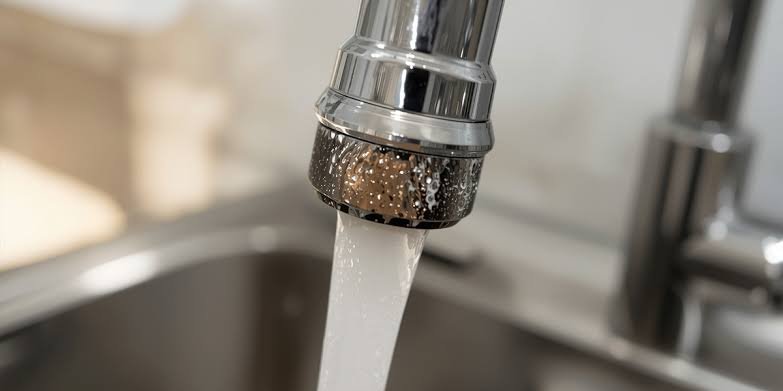
If your faucets constantly develop white deposits, there’s a decent chance you’re dealing with hard water.
Hardness primarily comes from dissolved calcium and magnesium. These minerals occur naturally as water moves through soil and rock, especially groundwater.
Hard water isn’t generally considered a health concern simply because it contains these minerals. The bigger issue is what it can do around the house.
Soap may lather less effectively. Shower glass can collect spots. Fixtures may develop scale, and water-using appliances can accumulate mineral deposits over time.
Anyone who’s spent Saturday morning scrubbing a shower door knows how quickly a small water-quality issue can become a household nuisance.
What a Water Softener Actually Does
When hardness is confirmed through testing, a water softener may be an appropriate treatment option.
Traditional ion-exchange softeners work by exchanging calcium and magnesium ions for sodium or, in some cases, potassium ions. This reduces the minerals responsible for many scale problems.
The result can be noticeable around the house. Faucets may stay cleaner, soap can rinse more easily, and scale buildup may become less of an ongoing battle.
But softening isn’t the same as purification.
A softener is designed primarily for hardness. If your water also contains sediment, iron, an odor, or another specific contaminant, additional treatment may be necessary.
That’s why a complete water test is more useful than choosing equipment based on one symptom.
Why Chlorine Is Used in Municipal Water
For people receiving treated public water, chlorine is a familiar word.
Municipal water systems commonly use disinfectants to control harmful microorganisms and help maintain safe water as it travels through distribution networks. Chlorine can be effective for this purpose, but some people notice its taste or smell.
You might detect it more strongly after filling a glass or taking a shower. Some homeowners describe the flavor as swimming-pool-like, which isn’t exactly what they’re hoping for with their morning coffee.
Activated carbon filtration is commonly used to improve taste and odor associated with chlorine and certain other compounds.
The important point is that chlorine in a treated public water supply isn’t automatically a sign of poor water quality. Its presence can reflect the disinfection process.
Taste and Safety Are Two Different Questions
Water that tastes strange isn’t necessarily dangerous, and water that tastes perfectly clean isn’t necessarily free from every possible contaminant.
Our senses are useful for noticing changes, but they’re not reliable testing instruments.
If your water suddenly develops a new taste or odor, investigate the reason. It could be related to disinfectants, plumbing, stagnant water, minerals, or another source.
For persistent or unexplained changes, water testing can provide much more useful information than trying to diagnose the issue by taste alone.
It’s a little less convenient than taking a sip and making a guess, but it’s far more dependable.
Nitrates Deserve More Attention in Some Areas
Unlike hardness or chlorine taste, nitrates can be a concern that isn’t obvious from the senses.
Nitrates are naturally occurring compounds, but elevated levels in groundwater can be associated with agricultural activity, fertilizers, animal waste, septic systems, and other environmental sources.
Because nitrates generally don’t give water a distinctive taste, smell, or appearance, testing is important when there is a reason to suspect elevated levels.
Private well owners may have particular reason to pay attention to local conditions and recommended testing practices.
If testing identifies elevated nitrate levels, don’t assume a standard carbon filter will solve the problem. Treatment needs to be specifically selected for the contaminant involved, and professional guidance may be appropriate.
Private Wells Require a Little More Attention
Municipal water systems typically operate under regulatory requirements and routine monitoring. Private wells are different.
The homeowner is generally responsible for knowing what’s happening with the water.
Groundwater conditions can change. Flooding, nearby land use, well construction, damaged components, or environmental changes can influence water quality.
For that reason, private-well owners should follow appropriate local recommendations for routine testing and consider additional testing when something changes.
A well that has provided good water for years isn’t guaranteed to remain unchanged forever.
Don’t Judge Water by Appearance Alone
Clear water looks reassuring, but many substances are invisible.
Sediment can make water cloudy, while dissolved minerals and certain contaminants may leave the water looking completely normal.
This is particularly important when thinking about nitrates and other substances that can’t be identified by sight or smell.
A glass of clear water tells you what the water looks like. It doesn’t provide a complete report of its chemical composition.
Testing fills that gap.
Different Problems Require Different Treatment
One of the biggest mistakes homeowners make is assuming that a single filtration system will handle everything.
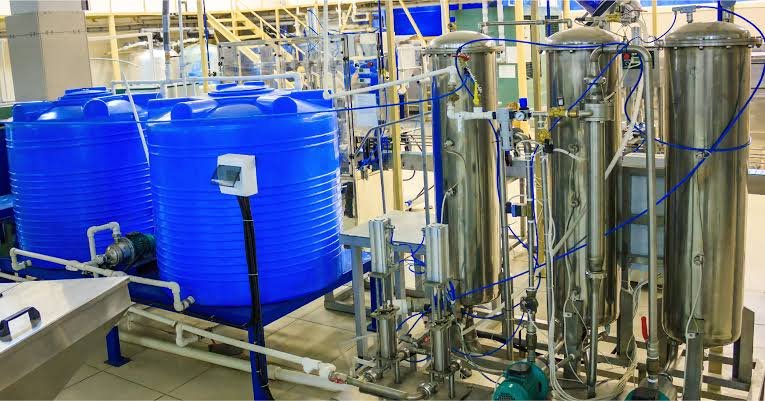
A softener addresses hardness. Carbon filtration can improve certain taste and odor concerns. Sediment filters target particles. Reverse osmosis can reduce many dissolved substances in treated drinking water.
Specialized contaminants may require specialized treatment.
This is why treatment should follow testing rather than the other way around.
If you know what needs to be reduced, you can choose equipment with a clear purpose. That usually leads to better results and fewer unnecessary purchases.
Think About Whole-House and Drinking Water Separately
Not every water-quality concern requires treatment at every faucet.
If your main issue is taste, a point-of-use drinking-water filter may be enough. If hardness is affecting showers, appliances, and plumbing throughout the home, whole-house softening may make more sense.
In some situations, homeowners use both approaches.
For example, whole-house treatment can address hardness while a separate drinking-water system provides additional filtration for water used in cooking and consumption.
The right setup depends on the test results and household priorities.
Maintenance Is Part of the Equation
Water treatment equipment doesn’t take care of itself forever.
Filters need replacing. Softeners require salt or other maintenance depending on the system. Reverse osmosis membranes eventually need service. Components should be inspected periodically.
A neglected system can gradually become less effective.
Keep track of maintenance dates and follow the manufacturer’s recommendations. If your water changes unexpectedly, consider retesting rather than assuming the treatment equipment is still perfectly matched to the situation.
Start With Knowledge, Not Fear
Water-quality concerns can sound intimidating when you encounter unfamiliar terminology. But the solution isn’t to panic—or to buy the most expensive treatment system available.
Start with a simple question: what is actually in my water?
Testing can help answer it.
From there, you can distinguish between everyday nuisances such as hardness and taste issues and concerns that may require more specific attention. You can also choose treatment based on evidence instead of guesswork.
Good water treatment is rarely about having the most equipment. It’s about having the right equipment for the right reason.
Once you understand what’s happening, the process becomes much less complicated. You know what you’re treating, why you’re treating it, and how to keep the system working properly.
And that brings things back to where they started: a simple glass of water, this time with a little more confidence behind it.