Water is one of those things you don’t appreciate until it starts causing little annoyances around the house.
A faucet develops a chalky ring. The shower glass looks cloudy again five minutes after cleaning it. Soap doesn’t seem to lather properly, the kettle collects a stubborn crust, or laundry comes out feeling slightly rough.
None of these problems feels like a household emergency. Still, when they happen every day, they get old pretty quickly.
For many homeowners, the answer involves looking at water softeners & filtration. The tricky part is understanding that softening and filtering aren’t interchangeable. They solve different water-quality concerns, and choosing between them — or deciding to use both — starts with figuring out what’s actually in your water.
What Makes Water “Hard”?
Hard water is mainly associated with dissolved calcium and magnesium. These minerals occur naturally and are particularly common in groundwater.
The water itself can look perfectly normal. There’s usually no dramatic color change or warning sign when you fill a glass.
The trouble becomes visible after the water is heated or evaporates.
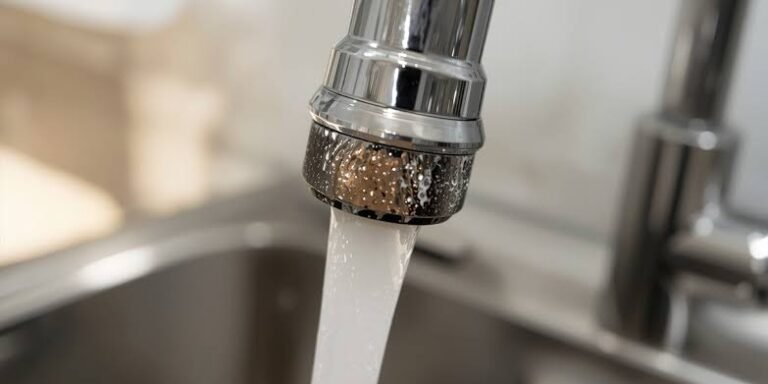
That’s when hard water can leave behind scale and spots on faucets, shower doors, dishes, kettles, coffee machines, and water heaters. You may also notice that soap doesn’t produce as much lather as you’d expect.
Hardness isn’t necessarily a reason to panic about drinking water. For many households, it’s primarily a nuisance and maintenance issue. But it can certainly make cleaning and appliance care more frustrating.
Why Filtration Is Different
Filtration is a broad term covering several different treatment methods.
A sediment filter can capture particles such as sand, dirt, or rust. Activated carbon can help reduce chlorine taste and odor and certain organic compounds. Other specialized filters are designed for particular contaminants.
A filter isn’t automatically designed to remove hardness.
This distinction gets lost surprisingly often. Someone sees scale around the bathroom and buys a general-purpose filter, only to discover that the deposits keep coming back.
The issue isn’t necessarily that the filter is bad. It may simply be doing a completely different job.
How Mineral Deposits Build Up
Those white, crusty marks around your faucets aren’t appearing because your bathroom has developed a personal grudge against you.
They’re often the result of mineral deposits left behind as water evaporates.
Calcium carbonate is a common component of scale. It can accumulate on plumbing fixtures and inside appliances over time. Heating water can make scaling particularly noticeable, which is why water heaters, kettles, and coffee equipment can develop buildup faster than some cold-water fixtures.
Once deposits become established, cleaning them can be difficult.
Reducing hardness at the source can help prevent the cycle from repeating.
What Does a Water Softener Actually Do?
Traditional water softeners commonly use ion exchange to reduce calcium and magnesium.
Water passes through resin beads that attract hardness minerals. The system periodically regenerates the resin, typically using a salt-based process.
The result is water with reduced hardness, which can mean less scale throughout the home.
For households dealing with persistent hard-water problems, this can make a noticeable difference. Shower screens may stay cleaner for longer, soap can lather more easily, and appliances may experience less scale buildup.
A softener doesn’t replace every other form of filtration, though.
If your water has sediment, chlorine taste, or another specific contaminant, you may need additional treatment.
When Filtration May Be Enough
Not every household needs a water softener.
If hardness isn’t a major concern but you’re bothered by taste, odor, or visible sediment, a properly selected filtration system may be enough.
Point-of-use filters can be particularly practical when drinking and cooking water are your main priorities. There’s little reason to treat every gallon used for flushing toilets if your main complaint is the taste of your morning coffee.
On the other hand, if sediment or chlorine affects multiple fixtures, whole-home filtration may make more sense.
The right choice depends on what you’re trying to accomplish.
Testing Takes the Guesswork Out
It’s tempting to diagnose water problems based on what you can see.
Unfortunately, appearance tells only part of the story.
Water can look crystal clear and still contain dissolved substances that require attention. Conversely, an unpleasant taste doesn’t automatically mean the water is unsafe.
A water test can provide useful information about hardness, pH, dissolved substances, and other characteristics depending on the type of analysis performed.
If you’re considering a significant treatment investment, testing beforehand is generally a sensible move.
You wouldn’t buy eyeglasses without knowing your prescription. Water treatment deserves a similar level of thought.
Whole-Home or Point-of-Use?
This decision comes down to where you want the treatment to happen.
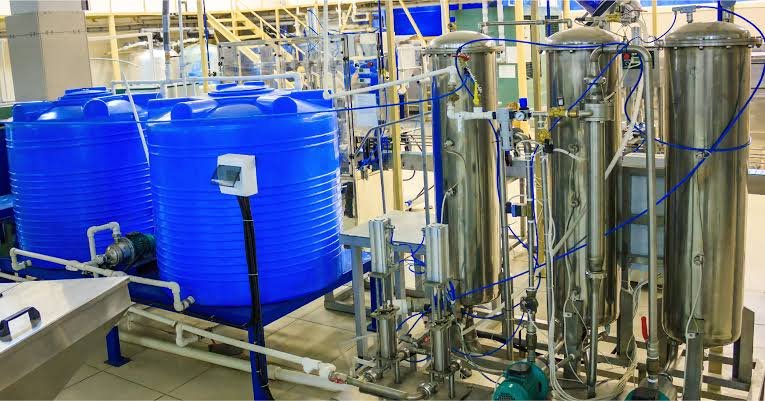
Whole-home systems treat water as it enters the property, meaning treated water can reach showers, sinks, laundry appliances, and other fixtures.
Point-of-use systems focus on specific taps or appliances.
If your biggest complaint is scale throughout the plumbing, whole-home treatment may be appropriate. If you’re primarily concerned about drinking water, a kitchen-based system could be simpler and more economical.
There’s no prize for treating more water than necessary.
Don’t Forget Flow Rate
A treatment system needs to keep up with your household.
If a whole-home filter is undersized, you may notice pressure problems when several fixtures are operating. A family with multiple bathrooms and high water usage needs different equipment from a single person living in a small apartment.
Check the system’s rated flow and consider your household’s peak demand.
It isn’t the most exciting specification on the product sheet, but it can make a huge difference in everyday comfort.
Maintenance Is Part of the Deal
No treatment system is completely maintenance-free.
Filters need replacement. Softener salt needs replenishing. Resin, membranes, valves, and other components can eventually require servicing.
Before purchasing equipment, ask how often routine maintenance is expected and what replacement parts cost.
A system may look affordable at first but become expensive if its consumables are difficult to find or unusually costly.
Also, keep records of filter changes and professional service. A simple note on your phone is enough.
Future-you will be glad you did it.
Think About Appliances, Too
Hard water doesn’t just affect things you can see.
Mineral scale can accumulate inside water heaters, dishwashers, washing machines, coffee makers, and other equipment that regularly heats or uses water.
Over time, buildup can affect performance and efficiency.
This doesn’t mean every appliance requires softened water. But if scale is widespread throughout the home, it’s worth considering how much you’re spending on cleaning, descaling, and maintenance.
Sometimes the value of water treatment becomes clearer when you look beyond the kitchen sink.
Avoid Buying More Than You Need
Water treatment marketing can make every system sound essential.
It isn’t.
A household may not need reverse osmosis, ultraviolet treatment, multiple filtration stages, and a whole-home softener all at once.
Start with your water-quality results and actual concerns. Then choose technology that addresses those specific needs.
If a provider recommends an expensive setup, ask what each component is intended to accomplish.
A good explanation should be understandable without a chemistry textbook.
A Practical Way Forward
If your home is dealing with scale, spots, unpleasant taste, or sediment, don’t start by shopping for equipment.
Start by asking what the water is doing and why.
Test it if appropriate. Identify whether hardness, sediment, taste, odor, or a specific contaminant is the main concern. Then decide whether you need softening, filtration, or a combination of treatments.
The best water treatment system isn’t necessarily the biggest or most technologically impressive one.
It’s the one that solves the actual problem without creating unnecessary cost and maintenance.
Once you’ve got the right setup in place, you may barely notice it. And honestly, that’s the point.
The water should simply work for you — leaving fewer spots on the shower, less scale around the fixtures, and one less annoying household problem to think about.