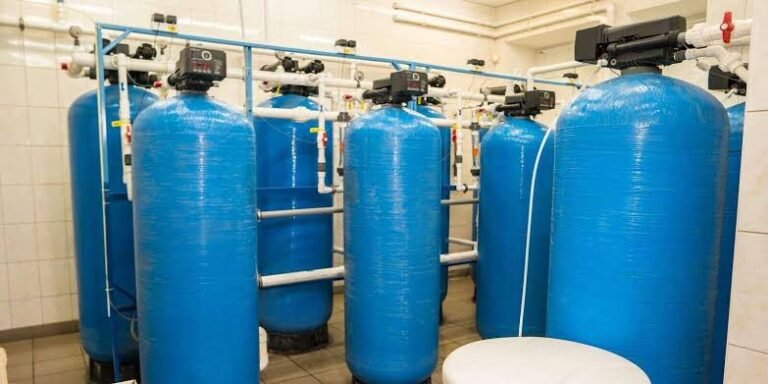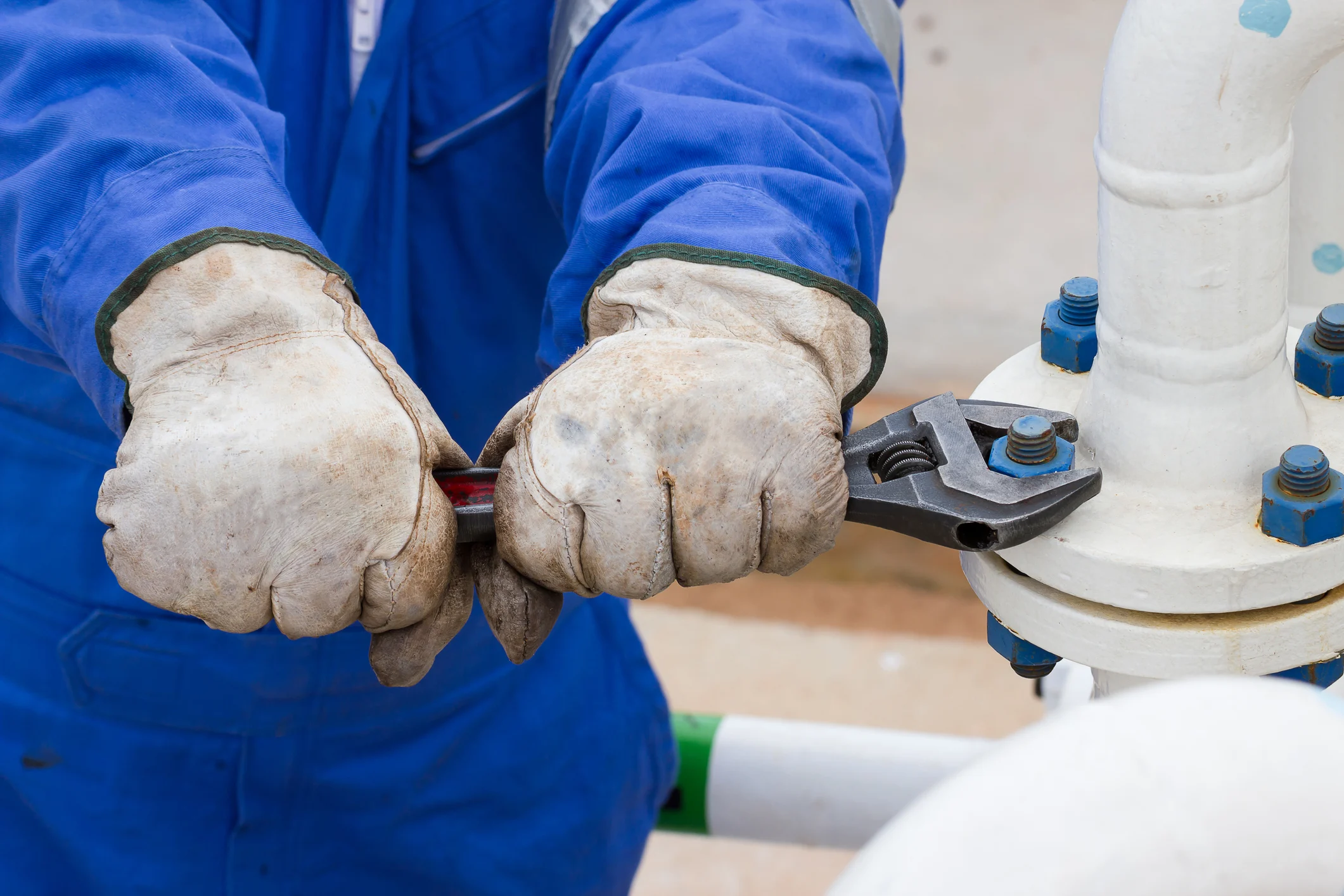
Water treatment can seem straightforward until you actually start shopping for it. Suddenly there are filters, softeners, conditioners, purification units, monitoring devices, and enough technical terminology to make a simple household question feel like a research project.
What makes the decision even trickier is that there isn’t one system that works perfectly for every home. Water sources differ. Plumbing differs. Families use different amounts of water, and their priorities aren’t always the same.
One homeowner may be tired of mineral spots on the shower glass. Another may be concerned about an unusual taste at the kitchen faucet. Someone with a private well could have an entirely different set of challenges.
The better approach is to stop looking for a universal answer and start looking at the individual home.
Start With the Water, Not the Equipment
It’s tempting to browse equipment first. A sleek digital control panel or a product with an impressive list of features can certainly catch your attention.
But equipment should come after understanding the problem.
Begin by noticing what is happening around the house. Are faucets developing deposits? Does the water have an unusual smell? Are filters clogging quickly? Has water pressure changed?
These observations don’t provide a complete diagnosis, but they give you useful clues.
If the concern persists, testing can provide a much clearer picture. Knowing the water’s characteristics makes it easier to decide whether filtration, softening, conditioning, or another form of treatment makes sense.
Local Conditions Can Influence Your Choice
Water isn’t identical from one location to another. Even properties relatively close together can have different sources, plumbing, and treatment needs.
For homeowners exploring custom water solutions in the treasure valley, local water characteristics are worth considering, but the individual property still matters just as much.
A municipal connection, private well, older plumbing system, or recently renovated home may each call for a different approach.
That’s why copying a neighbor’s equipment isn’t always a reliable shortcut. Their water might behave differently, their household may use more or less water, and their priorities may not match yours.
Personalized Treatment Isn’t About Making Things Complicated
The word “personalized” can sometimes sound like marketing language, but in water treatment it can have a very practical meaning.
Personalized water treatment means designing the approach around actual conditions rather than automatically installing a standard package.
That could involve considering water test results, household size, flow requirements, plumbing layout, water source, and the problems you want to address.
If hardness is the main concern, treatment should focus on hardness. If sediment is the issue, particle removal may be more appropriate. If drinking-water taste is the priority, point-of-use treatment could make more sense.
The point is simple: every component should have a reason for being there.
Pay Attention to Hard Water Clues
Hard water is one of the most common reasons homeowners start researching treatment.
Calcium and magnesium can leave deposits on faucets, shower doors, and appliances. You might notice spots on glassware or find yourself cleaning mineral buildup more often than you’d like.
Hard water isn’t automatically unsafe, but it can be a nuisance.
The right treatment can help reduce those effects, but it’s important to understand the difference between softening and general filtration. A system designed to reduce hardness isn’t necessarily intended to remove other substances.
Knowing what a system does—and what it doesn’t do—is part of making a smart purchase.
Private Wells Deserve Regular Attention
A private well gives homeowners greater responsibility for their water supply.
Well water can vary widely depending on local geology and groundwater conditions. Some homes may experience hardness or iron staining, while others have sediment, odor, or microbial concerns.
Regular testing is therefore an important part of managing a private supply.
If testing reveals a specific issue, treatment can be selected accordingly. This is much better than choosing a system because it worked for someone else.
Your well has its own personality, unfortunately.
Think About How Your Household Uses Water
Water demand can change dramatically throughout the day.
Mornings are often the busiest. Someone is showering, another person is brushing their teeth, the dishwasher may be running, and the washing machine decides that now is the perfect time to fill.
A treatment system needs to handle those moments without creating unnecessary pressure loss.
Household size, number of bathrooms, appliance usage, and peak demand should all be considered when selecting equipment.
The biggest available system isn’t necessarily the best one. Correct sizing is what matters.
Installation Is Part of the System
Even good equipment can perform poorly if the installation is rushed or poorly planned.
The installer needs to consider pipe connections, drainage, pressure, equipment clearance, bypass arrangements, and access for future maintenance.
Placement matters too. Filters and controls should be accessible rather than hidden behind storage or other equipment.
Think about the person who will change the filter two years from now. If they can’t reach it comfortably, today’s neat-looking installation may become tomorrow’s headache.
Maintenance Keeps the System Dependable
No matter how advanced a water-treatment system is, some maintenance will eventually be required.
Filters have limited service lives. Valves and other mechanical components can wear. Certain systems need cleaning, sanitation, or periodic adjustment.
The easiest way to stay ahead is to keep a simple maintenance record.
Write down filter replacement dates. Note service visits. Pay attention to changes in water pressure, taste, odor, or appearance.
If something changes suddenly, investigate instead of assuming the equipment has simply reached the end of its life.
Don’t Ignore Your Plumbing
Sometimes a water problem isn’t really a water-treatment problem.
If only one faucet produces strange-tasting water, the fixture or aerator may be responsible. If an odor occurs only when hot water is running, the water heater deserves consideration.
Older pipes can also influence taste, appearance, and sediment levels.
This is why location matters during troubleshooting. Treating the entire house before identifying the source can lead to unnecessary expense.
A little detective work first can save a lot of money later.
Focus on Your Unique Needs
Every homeowner has different priorities. Some care most about drinking water. Others want to protect appliances, reduce scale, improve water appearance, or make daily cleaning easier.
Those unique needs should be part of the conversation from the beginning.
A household that travels frequently may prefer low-maintenance equipment. A large family may prioritize flow capacity. Someone with limited utility-room space may need a compact design.
There isn’t a “best” system in isolation. There is only a system that is appropriate—or inappropriate—for a particular situation.
Look Beyond the Initial Price
The equipment price is only one part of the ownership equation.
Consider filter replacements, salt or other consumables, electricity, service, repairs, and expected equipment life. A cheaper system may cost more over time if it requires frequent replacement or specialized maintenance.
Ask questions before buying. How often does it need service? What parts normally wear out? What does routine maintenance cost?
A few minutes of research can make a meaningful difference over several years.
Choose Solutions That Make Everyday Life Easier
Water treatment doesn’t need to become a hobby.
The ideal setup should quietly handle the issues you’ve identified while fitting into your household routine. It should be properly sized, accessible for maintenance, and supported by people who understand the equipment.
Most importantly, it should solve a real problem.
Start with the water. Pay attention to the clues your home gives you. Test when appropriate, consider your household’s usage, and choose treatment based on actual needs rather than the biggest product advertisement.
When water treatment is designed around the home instead of the other way around, the result is usually simpler and more satisfying. You turn on the faucet, take a shower, fill a glass, and carry on with your day.
That’s what good water treatment should feel like: useful, dependable, and almost invisible.