Losing a sale at checkout because of a clunky payment process is one of the most frustrating, avoidable things in e-commerce. Picking the best payment gateway for ecommerce matters way more than most new sellers realise.
I’ve seen stores lose noticeable revenue simply because their gateway didn’t support UPI, which is now how a huge chunk of Indian customers actually prefer to pay.
What Makes a Payment Gateway “Best”
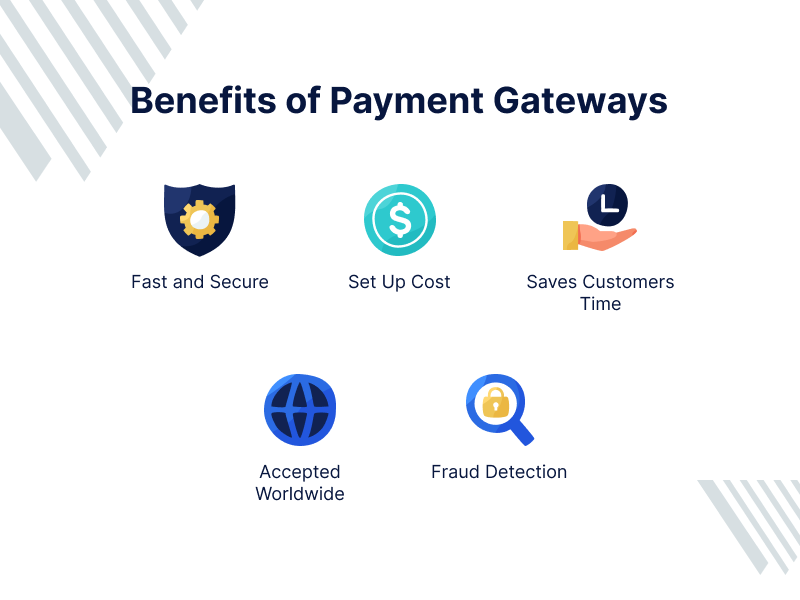
The best payment gateway for ecommerce balances low transaction fees, wide payment method support, fast settlement times, and minimal checkout friction for the customer.
1. Razorpay
Popular among Indian businesses for good reason — supports UPI, cards, net banking, and wallets, with relatively straightforward integration for most e-commerce platforms.
- Settlement typically within 1-2 business days
- Strong support for recurring subscriptions
- Transaction fees generally around 2% per transaction
2. PayU
A solid option for businesses expecting higher transaction volumes, with competitive rates that often improve as your monthly volume grows.
3. Cashfree
Known for fast integration and decent support for international payments, useful if you’re planning to sell beyond India eventually.
4. Stripe
Excellent for businesses targeting international customers, though its India-specific features are somewhat more limited compared to local-first gateways.
Quick answer: for a purely Indian customer base, Razorpay or PayU generally offer better UPI support and settlement speed, while Stripe suits businesses focused on international sales.
5. Paytm Payment Gateway
Benefits from strong brand recognition among Indian customers, which can subtly improve trust and conversion at checkout.
Factors to Actually Compare
- Transaction fees — even a 0.5% difference matters at scale
- Settlement time — faster settlement improves your cash flow
- Payment method coverage — UPI support is non-negotiable for Indian audiences now
- Checkout experience — fewer redirect steps means fewer abandoned carts
- Customer support quality — payment issues need fast resolution, not a three-day ticket queue
Don’t Ignore Checkout Friction
Even the best gateway fails if checkout takes too many steps. Test your actual checkout flow on a mobile device yourself — most Indian e-commerce traffic is mobile, and clunky mobile checkouts kill conversions fast.
A Real Example
A small fashion store switched from a generic international gateway to one with native UPI support and saw checkout completion rates improve meaningfully within the first month — same traffic, same product, just less friction at the final step.
FAQ
Q: Which payment gateway has the lowest fees in India? Fees vary by volume and negotiated rates, so it’s worth comparing quotes directly rather than relying only on published rates.
Q: Do I need multiple payment gateways? Not usually — one reliable gateway with broad payment method support is enough for most small to medium sellers.
Q: How important is UPI support for Indian e-commerce? Extremely — UPI now accounts for a huge share of digital transactions in India, and skipping it means losing a large customer segment.
Q: How long does gateway integration take? Most modern gateways offer plugins for popular platforms, cutting integration time down to a few hours rather than days.
Q: Are international gateways better for global sales? Generally yes, if a significant portion of your customers are outside India, though you may still want a secondary local gateway.
Conclusion
Choosing the best payment gateway for ecommerce isn’t just a backend decision — it directly affects how many visitors actually complete a purchase. [link to related guide about dropshipping here] Compare fees, settlement speed, and checkout friction honestly, and don’t be afraid to switch if your current gateway is quietly costing you sales.