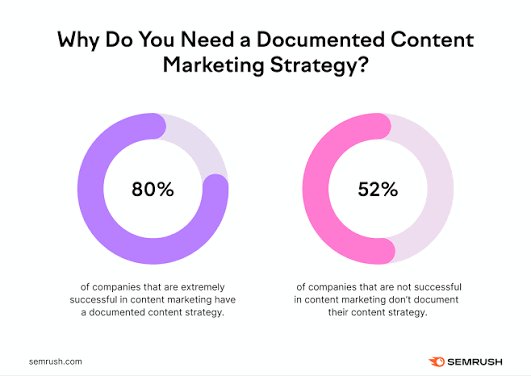
Most businesses publish content and just… hope. No plan, no strategy, just hoping something goes viral. A real content marketing strategy works very differently — it starts with a specific outcome in mind, not a blog post.
I’ve watched companies pump out three posts a week for a year with zero sales impact, simply because nobody connected the content to an actual buying decision.
What Content Marketing Actually Means
A content marketing strategy creates and shares valuable content to attract a defined audience, with the ultimate goal of driving profitable customer action — not just views or likes.
Step 1: Know Exactly Who You’re Writing For
“Everyone” is not an audience. Write for one specific person — their job, their problem, their hesitations. Vague targeting produces vague, forgettable content.
Step 2: Map Content to the Buyer’s Journey
- Top of funnel: educational blog posts, how-to guides
- Middle of funnel: comparison posts, case studies
- Bottom of funnel: product pages, testimonials, pricing breakdowns
Most businesses only create top-of-funnel content and wonder why nothing converts.
Step 3: Pick Formats That Fit Your Audience
Not every audience wants blog posts. B2B buyers often prefer whitepapers and webinars; younger consumer audiences respond better to short video. Match the format to where your audience actually spends time.
Quick answer: the best content format depends on your audience’s habits — B2B leans toward long-form and video, while consumer brands often see stronger results from short-form social content.
Step 4: Focus on Quality Over Frequency
Publishing daily with thin, generic content does less for you than publishing weekly with genuinely useful pieces. Google — and readers — notice the difference eventually.
Step 5: Repurpose Aggressively
One solid long-form article can become:
- A LinkedIn post
- A short video script
- An email newsletter
- Three or four social media graphics
This alone can multiply your output without multiplying your workload.
Step 6: Add a Clear Next Step to Every Piece
Every blog post, video, or post should end with a specific next action — subscribe, download, book a call. Content without a call-to-action is just entertainment.
Step 7: Track What Actually Drives Revenue
Views and likes feel good but don’t pay bills. Track which content pieces lead to email signups, demo requests, or purchases — and double down on those formats.
A Small Example
A friend’s handmade jewellery brand switched from generic “top 10 jewellery trends” posts to specific buyer-focused content like “how to pick earrings for oval face shapes.” Sales inquiries from organic search picked up within two months. Specificity mattered more than volume.
FAQ
Q: How often should I publish content? Consistency matters more than frequency — one quality post weekly beats five rushed ones.
Q: Does content marketing work for small businesses? Yes, often better, since small businesses can be far more specific and personal than large competitors.
Q: How long before content marketing shows results? Typically 3-6 months for organic traffic to build, though some formats like email can show faster results.
Q: What’s the biggest content marketing mistake? Creating content with no clear audience or purpose, just to “stay active.”
Q: Should I outsource content writing? It depends on budget and time — outsourcing works well once you have a clear strategy for someone else to execute.
Conclusion
A real content marketing strategy connects every piece of content to an actual business outcome — not just visibility. [link to related guide about SEO basics here] Start with one clear audience, one clear format, and one clear call-to-action, and build from there instead of trying to do everything at once.