Ever inherited a team where everyone’s clearly capable, yet nothing gets done on time? That’s usually not a talent problem. It’s a team management skills problem.
I’ve seen brilliant individuals turn into a mediocre team simply because no one set clear expectations. And I’ve seen average performers punch way above their weight under the right manager.
What “High-Performing” Actually Means
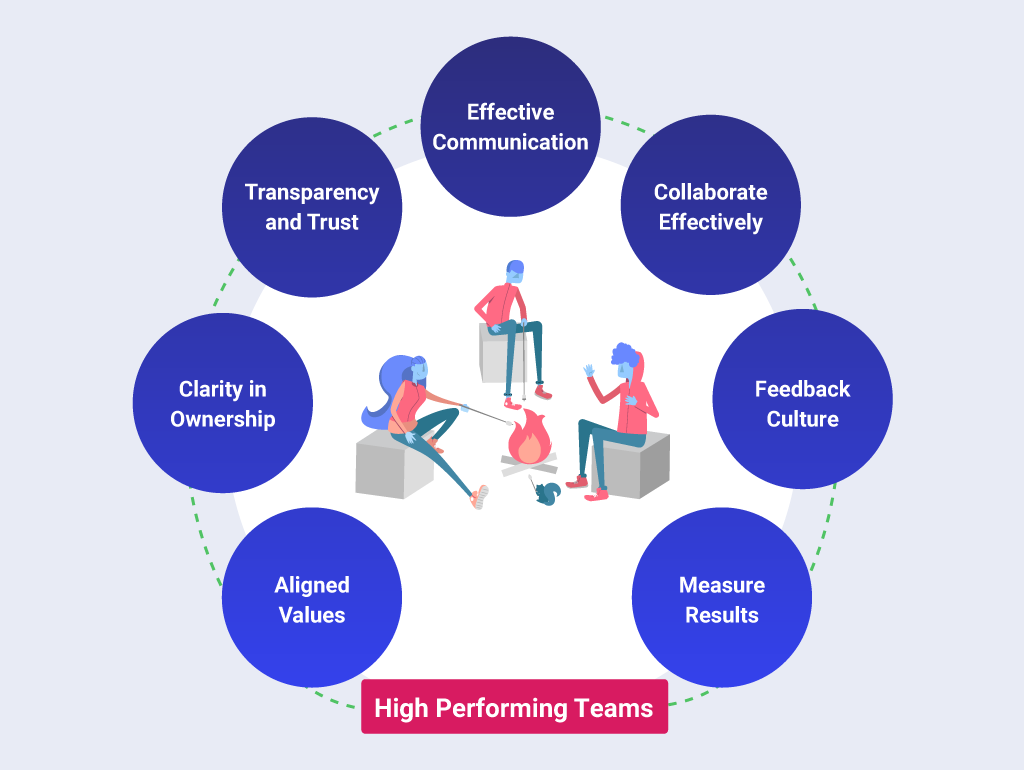
A high-performing team consistently hits its goals with less friction, fewer repeated mistakes, and higher morale — not just harder work, but smarter coordination built on strong team management skills.
Step 1: Hire (or Assign) for Complementary Strengths
Don’t build a team of five people who all think the same way. You need the planner, the executor, the person who spots risks, and the one who keeps morale up. Diversity of thinking style matters more than most job descriptions admit.
Step 2: Set Radically Clear Expectations
Vague goals like “improve sales” go nowhere. Specific goals like “increase repeat customer orders by 15% by March” give people something to actually aim at.
- Define what success looks like in numbers where possible
- Set deadlines, not vague timeframes
- Clarify who owns what — overlapping ownership creates confusion
Step 3: Build Psychological Safety
People perform worse when they’re afraid of being blamed. If your team hides mistakes instead of flagging them early, that’s on the management culture, not the employees.
Here’s the quick answer: psychological safety means team members feel safe admitting errors or disagreeing without fear of punishment — and it’s consistently linked to higher team performance in Google’s own internal research.
Step 4: Communicate Constantly, But Not Constantly in Meetings
A daily 10-minute standup beats a 90-minute Monday meeting nobody remembers by Wednesday. Keep communication frequent and short rather than rare and long.
Step 5: Give Feedback Immediately, Not Quarterly
Waiting for an annual review to mention a problem is, honestly, a bit unfair to the employee. If something needs fixing, say it within days, not months.
Step 6: Recognise Wins Publicly
A quick shoutout in a team chat costs nothing and does more for morale than most people expect. I’ve noticed teams that celebrate small wins tend to bounce back faster from setbacks too.
Step 7: Delegate Real Ownership, Not Just Tasks
There’s a difference between “do this” and “this is yours, make the calls.” The second builds better team management skills in your future leaders because people grow when they’re trusted with actual decisions.
Step 8: Handle Conflict Directly
Ignoring tension between two team members doesn’t make it disappear — it usually gets worse and spreads. Address it privately and early.
FAQ
Q: What are the core team management skills every manager needs? Clear communication, delegation, conflict resolution, and the ability to give honest feedback without demotivating people.
Q: How do you motivate an underperforming team member? Have a direct, private conversation about specific gaps, then offer concrete support — training, mentoring, or adjusted workload.
Q: How often should a manager meet one-on-one with team members? Weekly or biweekly 20-30 minute check-ins work well for most teams.
Q: What’s the biggest mistake new managers make? Trying to do everyone’s job themselves instead of trusting people with real ownership.
Q: Can a remote team be high-performing? Absolutely — it just needs more deliberate communication since you lose the casual hallway conversations.
Conclusion
Building a high-performing team isn’t about finding “perfect” employees. It’s about applying consistent team management skills — clarity, trust, and fast feedback — day after day. [link to related guide about leadership qualities here] Start with just one change this week, whether that’s clearer goals or more frequent check-ins, and watch how the team responds.