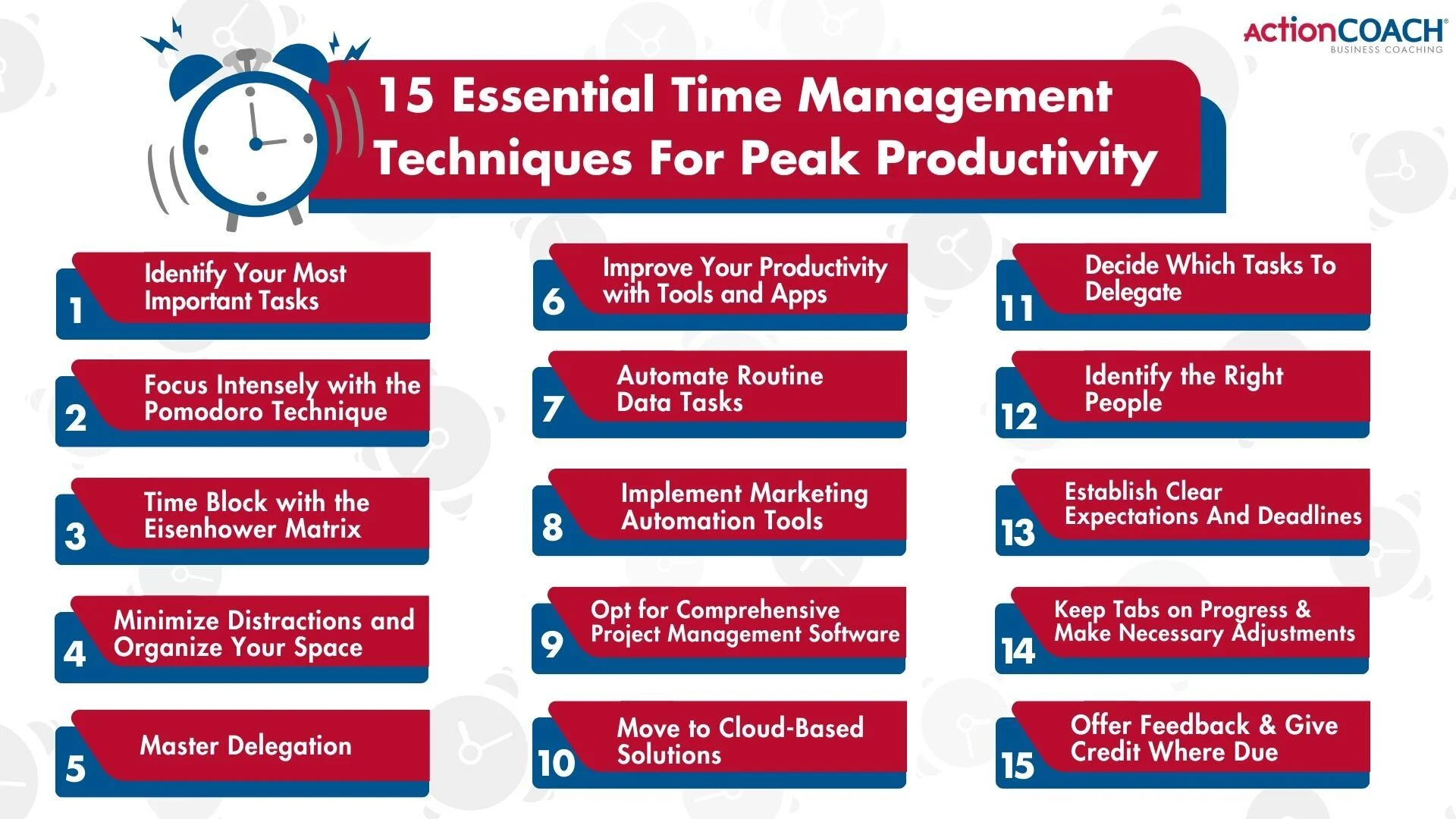
You know that feeling when it’s 6 PM, you’ve been “busy” all day, and yet your to-do list looks exactly like it did at 9 AM? Yeah. Same. Good time management techniques aren’t about squeezing more hours out of the day — they’re about spending the hours you already have on the right things.
I’ve worked with enough teams in Jaipur and Delhi to notice one pattern: the people who seem the calmest aren’t doing less work. They’re just doing it in a smarter order.
Why Most People Fail at Time Management
Time management techniques only work if you first admit you’re bad at estimating time. Most of us think a task will take 20 minutes and it eats an hour. Once you accept that, planning gets a lot more honest.
Here’s the direct answer: most time management fails because people plan their day around tasks, not energy levels — doing hard work when they’re mentally tired guarantees delays.
1. The Two-Minute Rule
If something takes less than two minutes, do it right now instead of adding it to a list. Replying to a quick email, filing a document, approving a request — these pile up and create mental clutter far more than they cost in actual time.
2. Time Blocking (Not Just To-Do Lists)
A to-do list tells you what to do. A calendar tells you when. Block 90-minute chunks for deep work and treat them like meetings you can’t skip. I’ll admit, I resisted this for years — felt too rigid. Turns out rigid is exactly what my brain needed.
3. The 80/20 Rule for Priorities
Roughly 80% of your results come from 20% of your tasks. Before starting your day, ask: which one task, if done, makes the rest less urgent? Do that one first.
4. Batch Similar Tasks
Answering emails all day in dribs and drabs is exhausting. Batch them — three fixed slots, say 10 AM, 1 PM, 5 PM — and check your phone less in between.
5. Say No More Often
- Not every meeting invite needs a “yes”
- Not every favour has to come from you
- Not every “urgent” request is actually urgent
Protecting your calendar is a time management technique most people ignore because saying no feels uncomfortable.
6. Use the Pomodoro Technique for Focus
25 minutes of pure focus, 5-minute break, repeat. Sounds almost too simple. It works because it tricks your brain into starting — starting is usually the hardest part.
7. Plan the Night Before
Spend 10 minutes each evening writing tomorrow’s top 3 tasks. You’ll sleep better, genuinely, because your brain isn’t holding onto “don’t forget X.”
8. Track Where Your Time Actually Goes
For one week, log your hours honestly. Most people are shocked to discover they spend 2+ hours a day on things that don’t matter.
9. Build Buffer Time Between Meetings
Back-to-back meetings sound efficient but leave zero room to think or reset. A 10-minute buffer prevents the domino effect of one late meeting ruining your whole afternoon.
10. Review Weekly, Not Just Daily
Every Friday, ask what worked and what didn’t. This single habit compounds — small tweaks every week beat one big overhaul every year.
FAQ
Q: What’s the best time management technique for beginners? Start with time blocking. It’s simple, visual, and forces you to be realistic about how much you can actually fit into a day.
Q: How do I manage time with a full-time job and side hustle? Protect small, non-negotiable blocks — even 45 minutes daily — rather than waiting for a free weekend that never comes.
Q: Does multitasking save time? Not really. Studies consistently show task-switching costs more time overall than finishing one thing before starting the next.
Q: How many hours should deep work sessions be? 90 minutes is the sweet spot for most people before focus naturally drops off.
Q: Are time management apps worth using? Only if you’ll actually open them. A paper planner used daily beats a fancy app opened once a month.
Conclusion
Time management techniques aren’t magic — they’re small habits that compound. Pick two or three from this list, not all ten, and actually stick with them for a month. [link to related guide about productivity tools here] You’ll be surprised how much lighter your day feels once you’re working with your time instead of against it.