Introduction
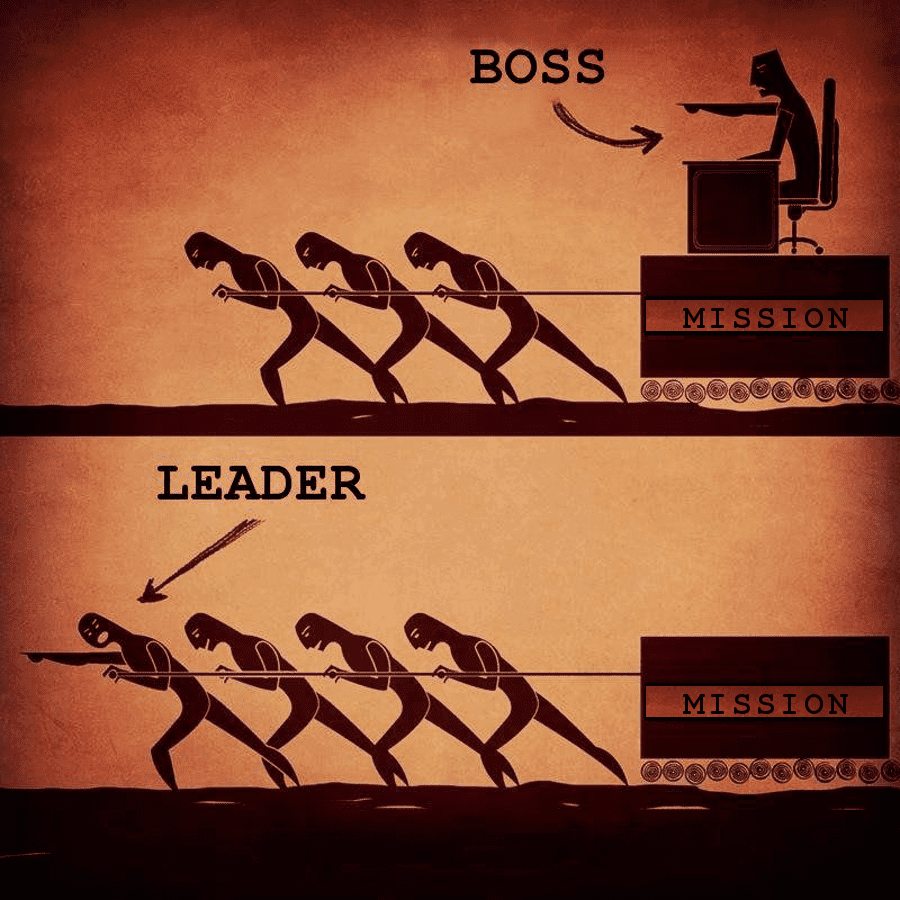
We’ve all worked under someone who technically had the title of “leader” but never actually led anyone anywhere. Understanding the real qualities of a good leader helps separate the ones who inspire teams from the ones who just manage tasks.
Leadership Is Behavior, Not Just Title
Direct answer: The core qualities of a good leader include clear communication, consistency, accountability, and genuine care for team growth — none of which require a fancy job title to practice.
Anyone can start building these, regardless of their current position.
1. Clear and Honest Communication
Good leaders don’t sugarcoat problems, but they also don’t communicate in a way that leaves people anxious or confused. Clarity, delivered with respect, is the goal.
2. Consistency in Decision-Making
Teams trust leaders whose decisions follow a predictable logic, even when they disagree with a specific call. Inconsistent leadership breeds anxiety fast.
3. Accountability, Including for Mistakes
I’ve noticed the leaders people respect most are the ones who openly own their mistakes rather than quietly shifting blame downward.
- Admit errors publicly when appropriate
- Fix the problem before assigning blame
- Model the behavior you expect from your team
4. Genuine Investment in Team Growth
Leaders who actively help team members develop new skills — even ones that might eventually lead them elsewhere — build far stronger loyalty than those who hoard growth opportunities.
[link to related guide about building high-performing teams here]
5. Emotional Intelligence
Reading the room, noticing when someone’s struggling before it becomes a performance issue — this quiet skill matters more than most leadership training programs acknowledge.
6. Decisiveness Under Pressure
Teams need someone willing to make a call when things are uncertain, rather than endlessly deliberating while problems compound.
7. Humility
The best leaders I’ve read about and worked alongside stay genuinely open to being wrong. Arrogance in leadership almost always eventually backfires.
How to Develop These Qualities Over Time
Nobody’s born with all seven fully formed. Regular self-reflection, honest feedback from your team, and a willingness to adjust your style are what build these qualities gradually.
FAQ
Q: Can leadership qualities be learned, or are they innate? They can absolutely be learned through practice, feedback, and self-awareness over time.
Q: What’s the most important quality of a good leader? Honest communication tends to underpin most other leadership qualities on this list.
Q: How do I know if I’m a good leader? Regular, honest feedback from your team is the most reliable indicator, more so than self-assessment.
Q: Do good leaders need to be extroverted? No, introverted leaders often excel through thoughtful communication and strong listening skills.
Q: How long does it take to develop strong leadership qualities? It varies, but consistent practice over several months to years typically shows meaningful improvement.
Conclusion
The qualities of a good leader aren’t reserved for people with impressive titles — they’re behaviors anyone can start practicing today, regardless of their current role. Pick one from this list you’re weakest in, and focus on it deliberately this month.